There’s nothing worse than a squeaky bike chain or a skateboard with wheels that refuse to spin smoothly. I still remember the first time I tried to fix my bike’s squeaky chain with household oil, only to find it attracting more dirt and grime than before. That’s when I learned the importance of using the right lubricant for the job. Bicycle grease is a game-changer for both bikes and skateboards, ensuring smooth, quiet, and long-lasting performance. Whether you’re a casual rider or a seasoned enthusiast, knowing how to use bicycle grease properly can extend the life of your equipment and improve your riding experience.
Bicycle grease is specifically formulated to handle the demands of cycling and skateboarding. Unlike regular oils, it’s thick, durable, and designed to stay in place under pressure, even in wet or dusty conditions. If you’re new to maintenance, understanding the basics of bicycle grease use can help you keep your bike or skateboard in top shape. According to a study by Bicycle Retailer and Industry News, proper lubrication can extend the lifespan of bike components by up to 50%, saving you money and hassle in the long run.
Why Bicycle Grease Is Essential for Maintenance
Bicycle grease is a specialized lubricant designed to reduce friction, prevent wear, and protect metal components from corrosion. Unlike lighter oils, grease adheres to surfaces and resists being washed away by water or sweat, making it ideal for parts like bearings, chains, and pedals. For skateboards, grease can keep the trucks and wheels spinning smoothly, even after repeated use on rough surfaces. According to Park Tool, a leading manufacturer of bike tools, using the right grease can prevent premature wear and tear, ensuring your bike or skateboard performs at its best.
Additionally, bicycle grease helps seal out dirt and debris, which can cause abrasion and damage over time. This is especially important for parts like the headset, bottom bracket, and hubs, where contamination can lead to costly repairs. For skateboarders, greasing the bearings can prevent them from seizing up, ensuring a smoother and faster ride. Regular maintenance with the right grease not only improves performance but also saves you time and money by reducing the need for frequent replacements.
For those who ride in wet or humid conditions, waterproof grease is a must. It repels moisture and prevents rust, which can be a major issue for both bikes and skateboards. Investing in a high-quality grease can make the difference between a ride that’s smooth and enjoyable and one that’s noisy, rough, and potentially damaging to your equipment.
Types of Bicycle Grease: Which One Is Right for You?
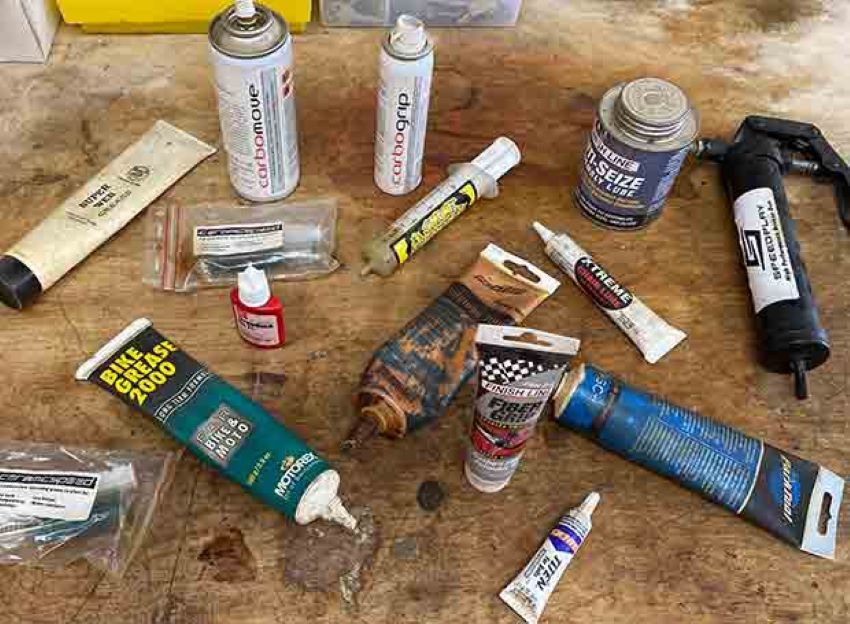
Not all bicycle greases are created equal. The type you choose depends on the specific needs of your bike or skateboard. Here are the most common types:
1. Lithium Grease
Lithium grease is a versatile and widely used option for general bike and skateboard maintenance. It’s water-resistant, durable, and works well for most applications, including bearings, pedals, and threads. Lithium grease is also relatively affordable and easy to find, making it a popular choice for casual riders and DIY enthusiasts.
However, lithium grease may not be the best choice for extreme conditions, such as very high temperatures or heavy loads. In these cases, a more specialized grease may be necessary.
2. Teflon Grease
Teflon grease, also known as PTFE grease, is a high-performance lubricant that reduces friction and wear. It’s ideal for parts that require smooth, precise movement, such as derailleur cables, brake pivots, and skateboard bearings. Teflon grease is also water-resistant and can handle a wide range of temperatures, making it a great all-around option.
Additionally, Teflon grease is non-toxic and safe for use on parts that may come into contact with skin, such as handlebar grips or saddle rails.
3. Synthetic Grease
Synthetic grease is designed for high-performance applications, such as mountain bikes, road bikes, or skateboards used in extreme conditions. It offers superior protection against wear, heat, and water, making it ideal for riders who push their equipment to the limit. Synthetic grease is also long-lasting, reducing the need for frequent reapplication.
However, synthetic grease tends to be more expensive than other types, so it may not be necessary for casual riders or those on a budget.
4. Waterproof Grease
Waterproof grease is specifically formulated to repel water and prevent rust, making it ideal for riders who frequently encounter wet or humid conditions. It’s a great choice for commuters, mountain bikers, or skateboarders who ride in all weather conditions. Waterproof grease can also be used for marine applications or other environments where moisture is a concern.
Additionally, waterproof grease is often more durable and long-lasting than other types, making it a cost-effective option in the long run.
5. Ceramic Grease
Ceramic grease is a high-end option designed for extreme performance and durability. It’s often used in professional cycling and skateboarding, where every second counts. Ceramic grease reduces friction and wear, even under high loads and temperatures, making it ideal for competitive riders or those who demand the best from their equipment.
However, ceramic grease is typically the most expensive option, so it may not be necessary for casual or recreational use.
Key Areas to Apply Bicycle Grease
Knowing where to apply bicycle grease is just as important as choosing the right type. Here are the key areas to focus on for both bikes and skateboards:
1. Bike Chain
The chain is one of the most critical components of your bike, and keeping it properly lubricated is essential for smooth and efficient riding. Apply a thin layer of grease to the chain, making sure to cover all the links and rollers. Wipe off any excess grease with a clean rag to prevent dirt and grime from sticking to the chain.
Additionally, clean your chain regularly to remove dirt and old lubricant before applying new grease. This will ensure the best performance and longevity.
2. Bearings
Bearings are found in various parts of your bike and skateboard, including the wheels, headset, and bottom bracket. Applying grease to the bearings reduces friction and wear, ensuring smooth and quiet operation. To grease the bearings, disassemble the component, clean the bearings thoroughly, and apply a thin layer of grease before reassembling.
For skateboards, focus on the wheel bearings, which can wear out quickly due to the high speeds and impacts involved in skateboarding. Regularly greasing the bearings can extend their lifespan and improve your ride.
3. Pedals and Crankset
The pedals and crankset are subject to a lot of force and wear, making them prime candidates for grease application. Apply grease to the pedal threads and the crankset spindle to prevent seizing and ensure smooth operation. This is especially important for bikes that are ridden frequently or in harsh conditions.
Additionally, greasing the pedal threads can make it easier to remove and install pedals, reducing the risk of stripping the threads.
4. Headset and Bottom Bracket
The headset and bottom bracket are critical components that allow for smooth steering and pedaling. Applying grease to these areas can prevent wear and corrosion, ensuring your bike handles well and lasts longer. To grease the headset, disassemble the fork and apply a thin layer of grease to the bearings and races before reassembling.
For the bottom bracket, remove the crankset and apply grease to the spindle and bearings. This will keep your bike pedaling smoothly and quietly.
5. Skateboard Trucks and Bushings
For skateboards, the trucks and bushings are key areas to focus on for maintenance. Applying grease to the trucks can reduce friction and improve turning, while greasing the bushings can extend their lifespan and enhance performance. To grease the trucks, disassemble them and apply a thin layer of grease to the pivot cups and kingpins.
Additionally, greasing the bushings can prevent them from drying out and cracking, ensuring a smoother and more responsive ride.
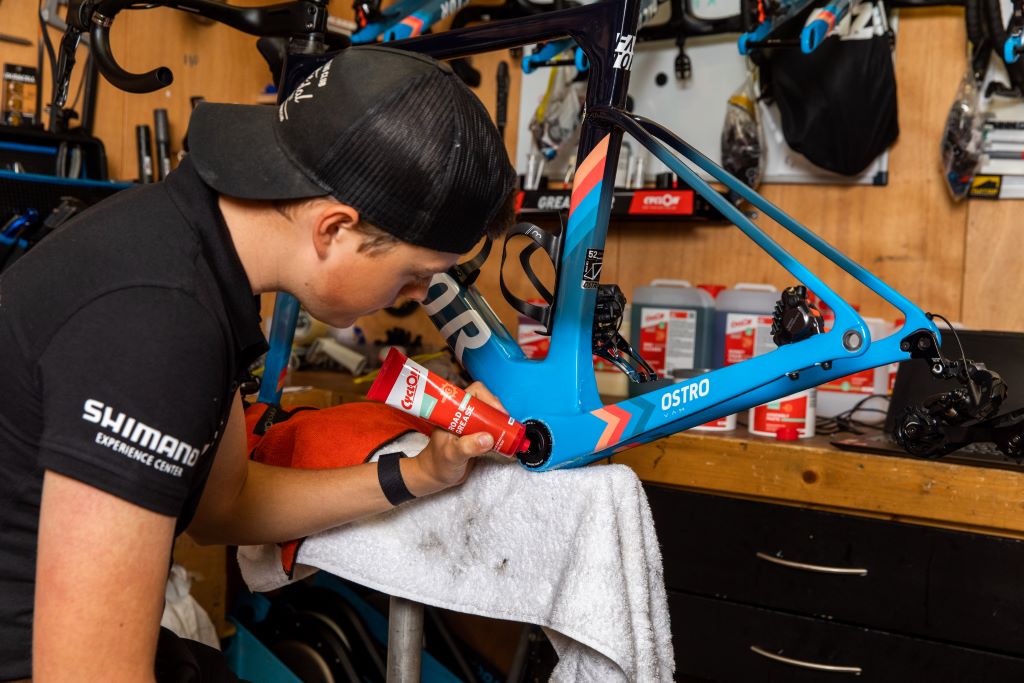
How to Apply Bicycle Grease Properly
Applying bicycle grease properly is essential for getting the most out of your maintenance efforts. Here’s a step-by-step guide to ensure you do it right:
1. Clean the Component
Before applying grease, it’s important to clean the component thoroughly to remove dirt, grime, and old lubricant. Use a degreaser or a mild soap and water solution to clean the part, and dry it completely before applying new grease. This will ensure the grease adheres properly and provides maximum protection.
Additionally, use a clean rag or brush to remove any residue or debris from hard-to-reach areas.
2. Choose the Right Grease
Select the type of grease that’s best suited for the specific component and conditions you’ll be riding in. For example, use waterproof grease for parts exposed to moisture, or synthetic grease for high-performance applications. Refer to the manufacturer’s recommendations for the best results.
Additionally, consider the temperature and load the component will be subjected to. Choose a grease that can handle the demands of your riding style and environment.
3. Apply a Thin Layer
When applying grease, less is often more. Use a small amount and spread it evenly over the surface of the component. Avoid over-applying, as excess grease can attract dirt and grime, leading to a buildup that can actually increase friction and wear.
Additionally, use a gloved hand, a brush, or a clean rag to apply the grease, ensuring you cover all the necessary areas without getting grease on your skin or clothing.
4. Wipe Off Excess Grease
After applying the grease, use a clean rag to wipe off any excess. This will prevent dirt and debris from sticking to the grease and causing abrasion or damage. It will also give your bike or skateboard a cleaner, more professional appearance.
Additionally, wiping off excess grease can help prevent it from dripping onto other parts of your bike or skateboard, where it may not be needed or wanted.
5. Reassemble and Test
Once you’ve applied the grease, reassemble the component and test it to ensure it’s working properly. For example, spin the wheels or pedals to make sure they’re moving smoothly and quietly. If you notice any issues, such as excessive noise or resistance, you may need to disassemble the component and reapply the grease.
Additionally, take your bike or skateboard for a short test ride to ensure everything is working as expected. This will give you peace of mind and help you catch any potential issues before they become major problems.
Common Mistakes to Avoid When Using Bicycle Grease
Even with the best intentions, it’s easy to make mistakes when using bicycle grease. Here are some common pitfalls to avoid:
1. Using the Wrong Type of Grease
Not all greases are created equal, and using the wrong type can lead to poor performance or even damage. For example, using a light oil instead of grease can cause the lubricant to wash away quickly, leaving your components unprotected. Always choose a grease that’s specifically designed for the demands of cycling or skateboarding.
Additionally, consider the conditions you’ll be riding in. For example, use waterproof grease for wet or humid conditions, or synthetic grease for high-performance applications.
2. Over-Appling Grease
Applying too much grease can be just as problematic as not applying enough. Excess grease can attract dirt and grime, leading to a buildup that can actually increase friction and wear. Additionally, excess grease can drip onto other parts of your bike or skateboard, where it may not be needed or wanted.
Use a thin layer of grease and wipe off any excess to ensure the best performance and longevity.
3. Not Cleaning Before Applying Grease
Failing to clean the component before applying grease can reduce its effectiveness and longevity. Dirt, grime, and old lubricant can prevent the grease from adhering properly, leading to poor protection and increased wear. Always clean the component thoroughly before applying new grease.
Additionally, use a degreaser or a mild soap and water solution to remove any residue or debris from hard-to-reach areas.
4. Ignoring Regular Maintenance
Regular maintenance is key to keeping your bike or skateboard in top shape. Ignoring this can lead to a buildup of dirt and grime, increased friction and wear, and even costly repairs. Make it a habit to clean and grease your components regularly, especially if you ride frequently or in harsh conditions.
Additionally, keep an eye out for signs of wear or damage, such as rust, corrosion, or excessive noise. Addressing these issues early can help prevent more serious problems down the line.
5. Using Grease on the Wrong Components
Not all components require grease, and using it on the wrong parts can actually cause more harm than good. For example, grease should not be used on brake pads or rotors, as it can reduce their effectiveness and compromise your safety. Always refer to the manufacturer’s recommendations for which components to grease and which to avoid.
Additionally, consider the specific needs of your bike or skateboard. For example, some parts may require a lighter oil or a dry lubricant instead of grease.
Tips for Maintaining Your Bike and Skateboard with Bicycle Grease
To get the most out of your bicycle grease and keep your bike or skateboard in top shape, follow these maintenance tips:
1. Establish a Regular Maintenance Schedule
Set a regular schedule for cleaning and greasing your bike or skateboard. This will help you stay on top of maintenance and prevent issues before they become major problems. For example, clean and grease your chain every 100-200 miles, or more frequently if you ride in wet or dusty conditions.
Additionally, keep a maintenance log to track when you last cleaned and greased each component. This will help you stay organized and ensure you don’t overlook any important tasks.
2. Store Your Bike or Skateboard Properly
Proper storage can help extend the life of your bike or skateboard and reduce the need for frequent maintenance. Store your equipment in a cool, dry place, away from direct sunlight and moisture. Additionally, consider using a bike cover or skateboard bag to protect your gear from dust and debris.
Additionally, avoid storing your bike or skateboard in extreme temperatures, as this can cause the grease to break down or the components to warp or crack.
3. Use High-Quality Tools and Products
Investing in high-quality tools and products can make your maintenance tasks easier and more effective. For example, use a high-quality degreaser to clean your components thoroughly, and a precision grease applicator to apply the grease evenly and accurately.
Additionally, consider using a work stand for your bike or a skateboard vise for your skateboard. These tools can make it easier to access and work on your equipment, ensuring you do the job right.
4. Learn Basic Repairs
In addition to regular maintenance, learning basic repairs can help you address issues quickly and effectively. For example, learn how to fix a flat tire, adjust your brakes, or replace a worn-out chain. This will save you time and money, and give you the confidence to handle any problems that arise.
Additionally, consider taking a bike or skateboard maintenance class, or watching online tutorials to improve your skills. The more you know, the better equipped you’ll be to keep your equipment in top shape.
5. Pay Attention to Warning Signs
Finally, pay attention to warning signs that your bike or skateboard may need maintenance. For example, if you notice excessive noise, resistance, or wear, it may be time to clean and grease your components. Additionally, if you see rust, corrosion, or damage, address these issues as soon as possible to prevent more serious problems.
Additionally, trust your instincts. If something doesn’t feel or sound right, it probably isn’t. Take the time to inspect your equipment and address any issues before they become major problems.
The Benefits of Using Bicycle Grease for Maintenance
Using bicycle grease for maintenance offers a variety of benefits for both bikes and skateboards. Here are some of the most notable advantages:
1. Reduces Friction and Wear
One of the primary benefits of bicycle grease is its ability to reduce friction and wear. By lubricating the moving parts of your bike or skateboard, grease helps them move smoothly and efficiently, reducing the strain and stress that can lead to damage over time. This can extend the lifespan of your components and improve your overall riding experience.
Additionally, reducing friction can also improve your performance, allowing you to ride faster, longer, and with less effort.
2. Prevents Corrosion
Bicycle grease helps seal out moisture and prevent corrosion, which can be a major issue for both bikes and skateboards. This is especially important for riders who frequently encounter wet or humid conditions. By protecting your components from rust and other forms of corrosion, grease can help extend their lifespan and reduce the need for costly repairs.
Additionally, preventing corrosion can also improve the appearance of your bike or skateboard, keeping it looking newer and more well-maintained.
3. Improves Performance
By reducing friction and wear, bicycle grease can improve the performance of your bike or skateboard. Smooth, quiet, and efficient operation can make your rides more enjoyable and allow you to get the most out of your equipment. Additionally, proper lubrication can help you achieve better speed, control, and responsiveness, whether you’re commuting, racing, or simply cruising.
For skateboarders, greasing the bearings and trucks can improve turning, stability, and overall ride quality. This can make a big difference in your performance and enjoyment, whether you’re a casual rider or a competitive skater.
4. Saves Time and Money
Regular maintenance with bicycle grease can save you time and money in the long run. By extending the lifespan of your components and preventing costly repairs, grease helps you get the most out of your investment. Additionally, a well-maintained bike or skateboard is less likely to break down or require frequent replacements, saving you both time and hassle.
Additionally, proper maintenance can also improve the resale value of your bike or skateboard, making it a more attractive option for potential buyers if you ever decide to upgrade or sell.
5. Enhances Safety
Finally, using bicycle grease for maintenance can enhance your safety on the road or at the skate park. By ensuring your components are operating smoothly and efficiently, grease helps reduce the risk of accidents or injuries caused by mechanical failures. Additionally, proper lubrication can improve your control and responsiveness, allowing you to react more quickly and effectively to potential hazards.
For example, a well-lubricated chain is less likely to break or slip, while greased bearings are less likely to seize up or fail. This can give you peace of mind and help you ride with confidence.
Conclusion
Bicycle grease is a simple yet powerful tool for maintaining your bike or skateboard. By choosing the right type, applying it properly, and following a regular maintenance schedule, you can extend the life of your equipment, improve your performance, and enhance your riding experience. Whether you’re a casual rider or a seasoned enthusiast, knowing how to use bicycle grease effectively can make all the difference in the longevity and enjoyment of your bike or skateboard.
Remember, the best bicycle grease is the one that fits your specific needs and riding conditions. Take your time, explore the options, and don’t be afraid to experiment with different types and application techniques. With the right approach, bicycle grease can become an essential part of your maintenance routine.
Have you tried using bicycle grease for your bike or skateboard maintenance? Share your experiences, tips, or favorite products in the comments below! If you found this article helpful, don’t forget to share it with your fellow riders. Here’s to smoother, quieter, and more enjoyable rides!
FAQs
What is bicycle grease?
Bicycle grease is a thick, durable lubricant designed to reduce friction, prevent wear, and protect metal components from corrosion. It’s specifically formulated for the demands of cycling and skateboarding, providing long-lasting protection and performance.
How do I choose the right bicycle grease for my bike or skateboard?
Consider factors like the type of riding you do, the conditions you ride in, and the specific components you need to lubricate. For example, use waterproof grease for wet or humid conditions, or synthetic grease for high-performance applications.
Can I use bicycle grease on other parts of my bike or skateboard?
Bicycle grease is suitable for most moving parts, such as bearings, chains, pedals, and trucks. However, avoid using it on brake pads or rotors, as it can reduce their effectiveness and compromise your safety. Always refer to the manufacturer’s recommendations for which components to grease.
How often should I apply bicycle grease?
The frequency of application depends on the component and the conditions you ride in. For example, clean and grease your chain every 100-200 miles, or more frequently if you ride in wet or dusty conditions. For bearings and other components, follow the manufacturer’s recommendations for maintenance intervals.
How do I remove excess bicycle grease?
After applying the grease, use a clean rag to wipe off any excess. This will prevent dirt and debris from sticking to the grease and causing abrasion or damage. Additionally, wiping off excess grease can help prevent it from dripping onto other parts of your bike or skateboard.