Skateboarding continues to grow across the USA, with more than 11 million active participants enjoying various riding styles and board designs. Additionally, beginner-friendly skateboards with support features have become increasingly popular because they improve confidence and stability. Learning how to ride a skateboard with handle can help new riders develop balance faster while reducing early frustration. If you are exploring a skateboard with handle, understanding proper riding techniques, safety practices, and control methods will create a smoother learning experience.
This guide explains everything you need to know about how to ride a skateboard with handle. You will learn preparation methods, riding techniques, turning strategies, safety practices, and progression tips. Whether you are a complete beginner or helping someone else learn, these practical steps will improve confidence and riding ability.
What Is a Skateboard With Handle?
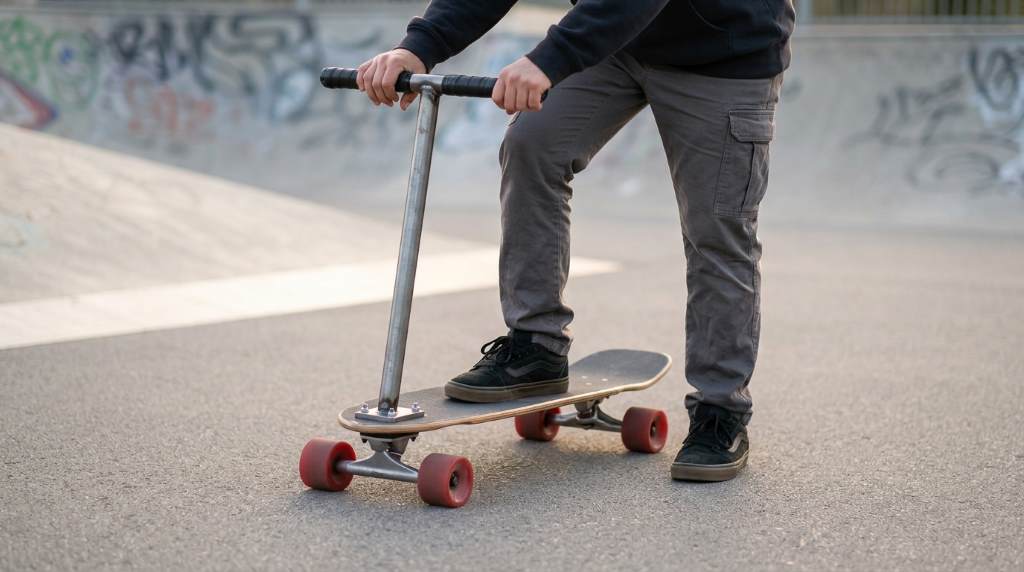
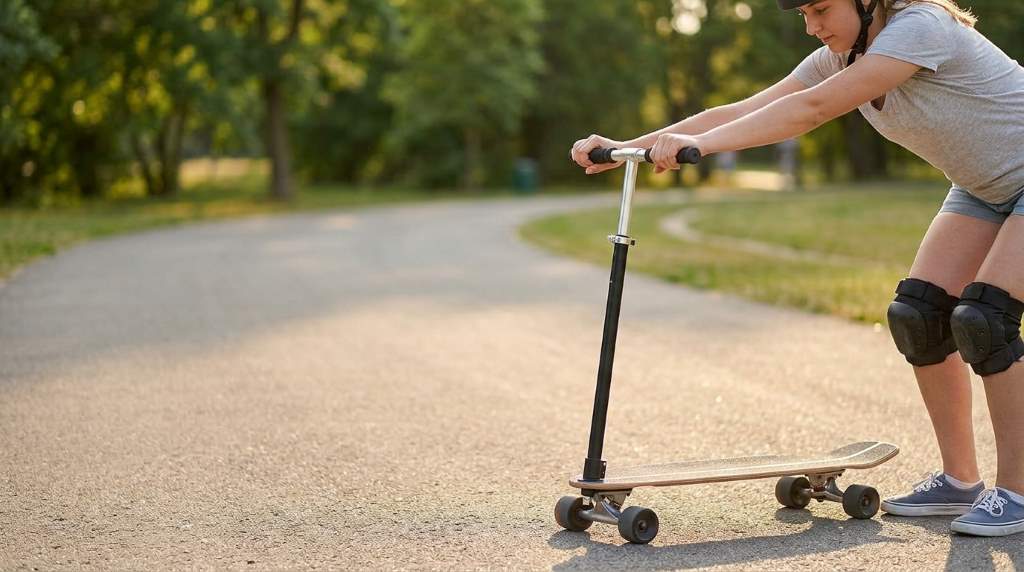
A skateboard with handle includes an attached support bar or grip handle designed to improve rider stability. These boards often target beginners, children, seniors, and rehabilitation users.
The handle provides additional balance assistance during acceleration, stopping, and turning. As a result, riders can develop confidence before transitioning to traditional skateboards.
Why Choose a Skateboard With Handle?
Many beginners struggle with balance during their first riding sessions. Therefore, a handle-equipped skateboard creates a safer learning environment.
- Improves balance control
- Reduces fear of falling
- Supports proper body posture
- Helps beginners learn faster
- Provides additional safety during practice
Furthermore, these skateboards work well in parks, sidewalks, driveways, and indoor training areas. Riders can gradually reduce their dependence on the handle over time.
Essential Safety Equipment Before Riding
Safety preparation remains the most important step before learning how to ride a skateboard with handle. Proper protective equipment significantly reduces injury risks.
Wear a Certified Helmet
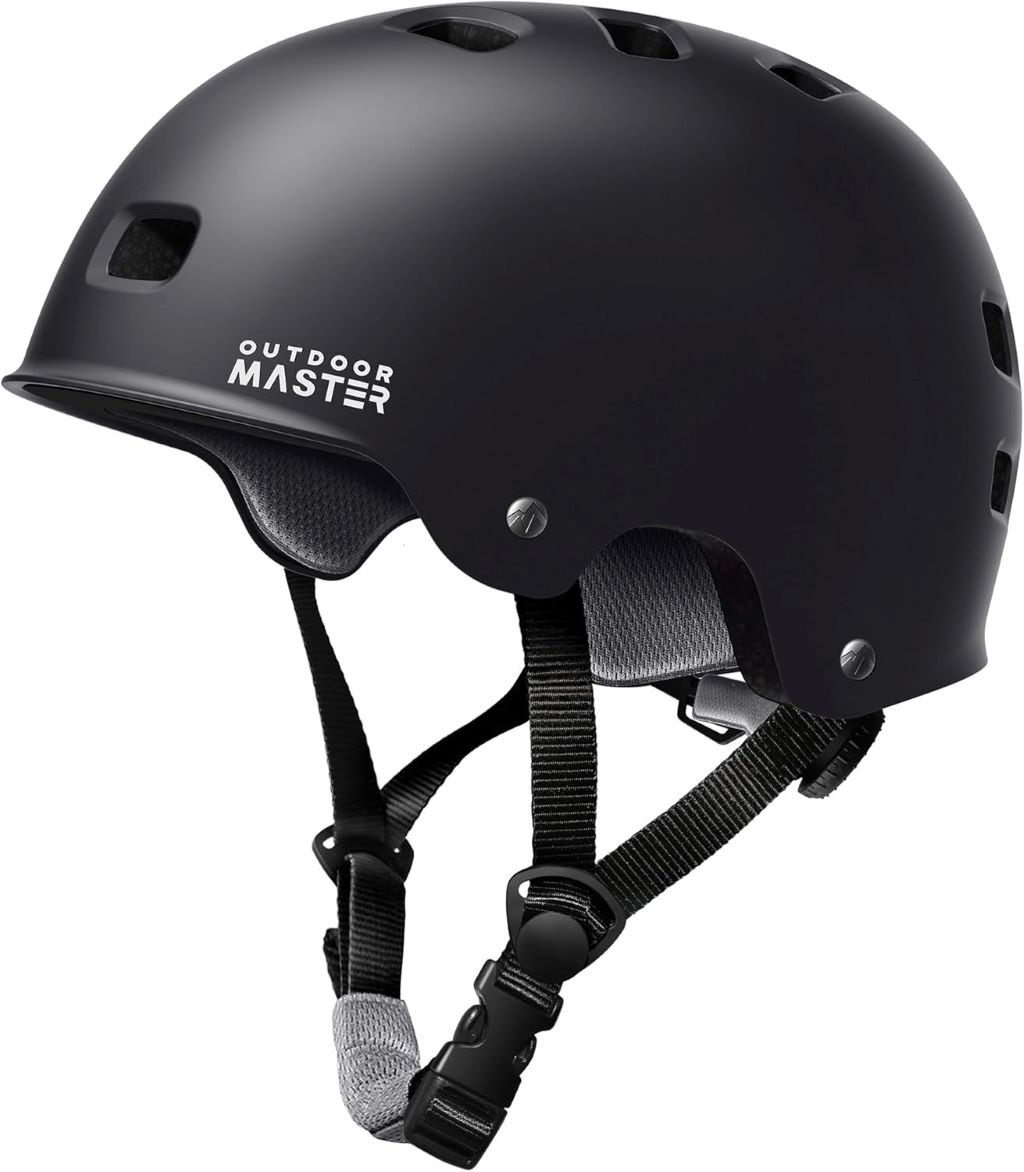
A skateboard helmet protects against head injuries during unexpected falls. Always ensure the helmet fits securely without excessive movement.
Use Protective Pads
Knee pads, elbow pads, and wrist guards provide additional protection. These accessories help reduce bruises, fractures, and scrapes.
Choose Proper Footwear
Flat-soled skate shoes improve board grip and stability. Avoid sandals, boots, or slippery athletic shoes.
How to Prepare Your Skateboard With Handle
Before riding, inspect the skateboard carefully. A proper setup improves safety and performance.
- Check wheel tightness
- Inspect truck stability
- Verify handle attachment security
- Test wheel rotation
- Ensure grip tape remains clean
Additionally, practice on smooth and flat surfaces before attempting slopes or uneven terrain.
How to Determine Your Riding Stance
Your riding stance determines which foot remains in front during movement. Choosing the correct stance improves control and comfort.
Regular Stance
Regular riders place the left foot at the front of the board. The right foot remains responsible for pushing.
Goofy Stance
Goofy riders place the right foot forward. The left foot performs the pushing motion.
A simple test involves asking someone to gently push you from behind. The foot you naturally place forward often becomes your riding stance.
How to Mount a Skateboard With Handle
Learning to mount properly builds confidence and reduces falls. Begin by placing the skateboard on a flat surface.
Grip the handle firmly using one or both hands. Next, place your front foot near the front truck bolts.
After stabilizing, slowly place your back foot on the rear section of the deck. Maintain slightly bent knees throughout the process.
How to Start Moving Safely
Most beginners experience difficulty during initial movement. Therefore, learning proper pushing technique becomes essential.
Step 1: Position Your Front Foot
Place your front foot at approximately a forty five degree angle. Keep your body centered above the board.
Step 2: Hold the Handle
Maintain a comfortable grip without excessive tension. The handle should support balance rather than carry body weight.
Step 3: Push Gently
Use your back foot to push against the ground slowly. Start with short and controlled movements.
Step 4: Place Both Feet on the Board
Once moving, position your back foot onto the deck. Maintain balanced weight distribution across both feet.
How to Maintain Balance While Riding
Balance represents the most important skill when learning how to ride a skateboard with handle. Small body adjustments create greater control.
- Keep knees slightly bent
- Look ahead instead of downward
- Relax your shoulders
- Maintain even weight distribution
- Avoid sudden movements
Furthermore, practicing balance exercises off the skateboard can improve riding performance significantly.
How to Turn a Skateboard With Handle
Turning requires gradual body movement rather than forceful steering actions. Controlled turns improve overall riding safety.
Leaning Turns
Shift your body weight gently toward the desired direction. The trucks will naturally guide the skateboard during the turn.
Handle Assisted Turns
Use the handle for additional stability during early practice sessions. However, avoid pulling aggressively on the support bar.
Practice wide turns first before attempting sharper directional changes.
How to Stop Safely
Stopping techniques prevent accidents and increase rider confidence. Every beginner should master stopping before increasing speed.
Foot Brake Method
Remove your back foot carefully and place it on the ground. Apply gradual pressure until the skateboard stops.
Step Off Method
At slower speeds, step off the skateboard carefully while maintaining handle support. This method works well for beginners.
Emergency Stop
If necessary, lower your center of gravity and slow using repeated foot braking. Never jump off at high speed.
Common Beginner Mistakes to Avoid
Many new riders develop poor habits during their first sessions. Avoiding these mistakes accelerates learning progress.
- Standing with locked knees
- Looking directly at the board
- Holding the handle too tightly
- Pushing too aggressively
- Practicing on steep surfaces
- Ignoring protective equipment
Additionally, avoid comparing your progress with experienced riders. Consistent practice creates improvement.
Best Places to Practice in the USA
Choosing the right practice environment improves safety and learning speed. Flat surfaces remain ideal for beginners.
- Empty parking lots
- Community recreation areas
- Outdoor basketball courts
- Neighborhood sidewalks
- Beginner skate parks
Many communities throughout the USA now provide dedicated beginner skating spaces. These locations often offer safer learning environments.
How to Progress Beyond the Handle
As confidence increases, riders should gradually reduce dependence on the handle. This transition helps develop independent balance skills.
Begin by loosening your grip during practice sessions. Then, spend short periods riding without relying on handle support.
Eventually, you can transition to traditional skateboards while maintaining the balance skills already developed.
Practice Routine for Faster Improvement
Consistent practice remains the fastest way to master how to ride a skateboard with handle. Short daily sessions often produce better results.
- 5 minutes balancing
- 10 minutes pushing practice
- 10 minutes turning drills
- 5 minutes stopping exercises
- 5 minutes free riding
Following this routine several times each week creates steady improvement while minimizing fatigue.
Conclusion
Learning how to ride a skateboard with handle provides an excellent entry point into skateboarding. The additional support improves confidence, balance, and safety for beginners of all ages.
Start slowly, wear proper protective equipment, and practice consistently. With patience and repetition, you will develop strong riding skills and enjoy the freedom that skateboarding offers. Grab your skateboard with handle today and begin building your confidence one ride at a time.
Frequently Asked Questions
Is a skateboard with handle good for beginners?
Yes, it provides additional stability and helps beginners learn balance more quickly.
Can adults use a skateboard with handle?
Yes, many models support adult riders and beginner learners.
How long does it take to learn riding?
Most beginners develop basic riding skills within several practice sessions.
Should children wear safety gear while riding?
Yes, helmets and protective pads should always be worn.
Can I remove the handle later?
Some skateboard models allow handle removal for advanced riding practice.