Skateboarding is a fun and exciting activity for kids, but it comes with risks. Falls and collisions are common, especially for beginners. Wearing the right safety gear can prevent serious injuries and give parents peace of mind. According to the American Academy of Pediatrics, skateboarding injuries send thousands of kids to the emergency room every year, but many of these accidents can be avoided with proper protection.
I remember the first time my son tried skateboarding. He was eager to jump on his board, but I insisted he wear a helmet and pads. That decision saved him from a nasty fall during his very first ride. This guide will help you choose the best skateboard safety gear to keep your child safe while they enjoy the sport.
Why Safety Gear Is Non-Negotiable for Young Skateboarders
Skateboarding is a high-impact activity, and kids are more vulnerable to injuries because their bones and muscles are still developing. A study by Stanford Children’s Health found that head injuries are the leading cause of skateboarding-related hospital visits for children. Wearing a helmet can reduce the risk of head injuries by up to 85%, making it the most important piece of safety gear.
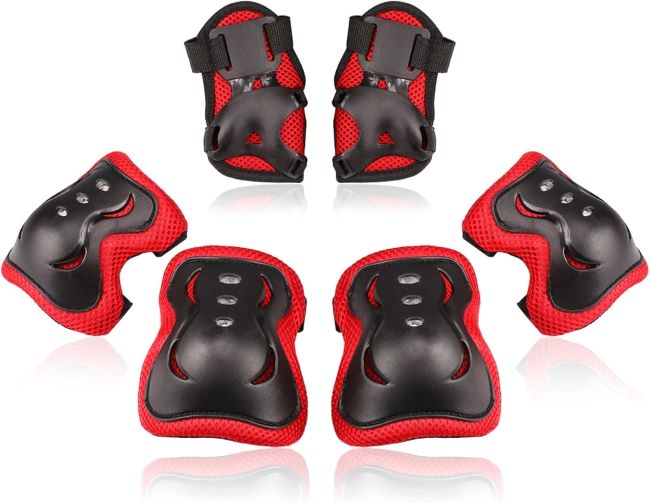
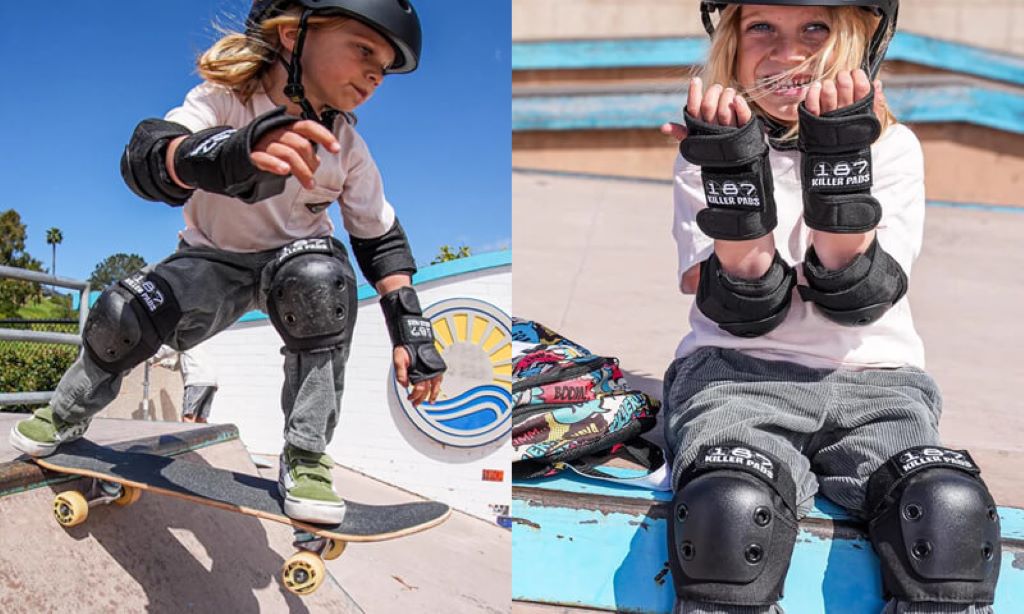
In addition to helmets, wrist guards, elbow pads, and knee pads are essential. Wrist guards protect against fractures, which are common when kids instinctively stretch out their hands to break a fall. Elbow and knee pads cushion impacts and prevent painful scrapes and bruises. Without this gear, even a minor fall can lead to serious injuries that could sideline your child for weeks.
Safety gear also boosts confidence. When kids know they’re protected, they’re more likely to try new tricks and improve their skills without fear. This makes skateboarding more enjoyable and helps them progress faster.
Essential Skateboarding Safety Gear for Kids
Helmets: The First Line of Defense
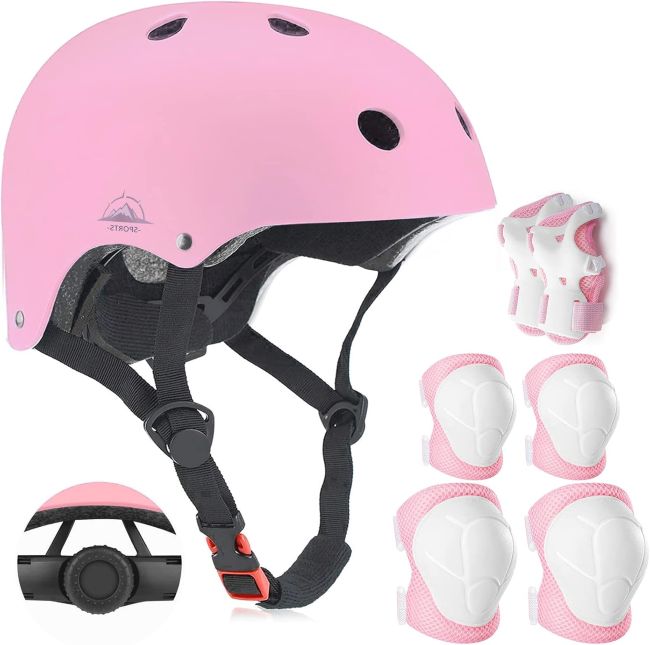
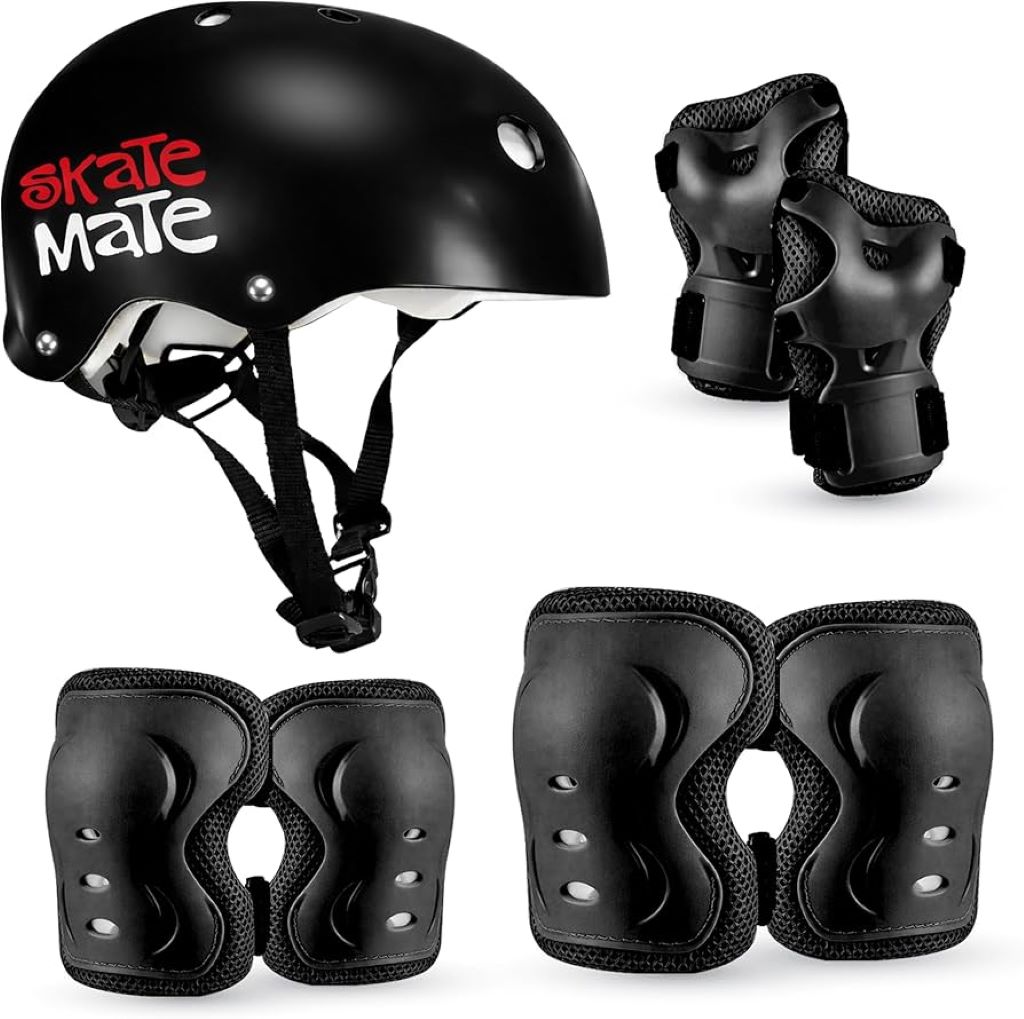
A helmet is the most critical piece of safety gear for any skateboarder. It should fit snugly on your child’s head without wobbling or tilting. Look for a helmet that meets safety standards set by organizations like the Consumer Product Safety Commission (CPSC) or ASTM International. These helmets are tested for impact resistance and durability.
There are different types of helmets for skateboarding. Multi-sport helmets are versatile and can be used for biking, scootering, and rollerblading, but they may not offer the same level of protection as a skate-specific helmet. Skate helmets are designed to withstand multiple impacts and often have a harder outer shell. They also cover more of the back of the head, providing extra protection for falls.
When fitting a helmet, ensure it sits level on the head, about one inch above the eyebrows. The chin strap should be snug but not too tight, allowing only one finger to fit between the strap and your child’s chin. Replace the helmet after any significant impact, as even a small crack can compromise its effectiveness.
Wrist Guards: Preventing Common Injuries
Wrist injuries are among the most common skateboarding mishaps, especially for beginners. When kids fall, they often instinctively extend their arms to break the fall, which can lead to sprains or fractures. Wrist guards are designed to absorb the impact and prevent these injuries.
Look for wrist guards with a hard plastic splint on the palm side. This splint helps distribute the force of a fall across the forearm, reducing the risk of a wrist fracture. The guard should fit snugly but not restrict movement. Adjustable straps ensure a secure fit, and some models come with additional padding for extra comfort.
Teach your child to wear wrist guards on both hands, even if they feel bulky at first. It’s a small inconvenience compared to the pain and recovery time of a broken wrist.
Elbow and Knee Pads: Protecting Against Scrapes and Bruises
Elbow and knee pads are essential for protecting against scrapes, bruises, and more serious injuries. When choosing pads, look for ones with a hard plastic outer shell and thick foam padding inside. This combination provides both impact resistance and comfort.
Elbow pads should cover the entire elbow joint and extend a few inches above and below it. The straps should be adjustable to ensure a snug fit without cutting off circulation. Knee pads should similarly cover the kneecap and the surrounding area. Some knee pads come with an additional strap above the calf to prevent them from sliding down.
Encourage your child to wear elbow and knee pads every time they skate, even if they’re just practicing in the driveway. Falls can happen anywhere, and it’s better to be safe than sorry.
How to Ensure a Proper Fit for Safety Gear
Proper fit is crucial for safety gear to work effectively. A helmet that’s too loose can fly off during a fall, and pads that are too big can slip out of place. Start by measuring your child’s head, wrists, elbows, and knees to determine the right size for each piece of gear.
For helmets, use a soft measuring tape to find the circumference of your child’s head, about one inch above the eyebrows. Compare this measurement to the helmet manufacturer’s sizing chart. Most helmets come with adjustable dials or pads to fine-tune the fit.
For wrist guards, elbow pads, and knee pads, measure the circumference of the body part at its widest point. For example, measure around the elbow joint for elbow pads and around the middle of the knee for knee pads. Again, refer to the manufacturer’s sizing chart to find the best fit. The gear should be snug but not so tight that it restricts movement or causes discomfort.
Have your child try on the gear and move around to ensure it stays in place. If any piece of gear shifts or feels uncomfortable, adjust the straps or try a different size.
Common Mistakes to Avoid When Buying Safety Gear
One of the biggest mistakes parents make is buying safety gear that’s too big, thinking their child will “grow into it.” Gear that doesn’t fit properly won’t provide adequate protection. Always choose gear that fits your child’s current size, and replace it as they grow.
Another mistake is prioritizing style over safety. While it’s great to have gear that looks cool, the most important factor is protection. Avoid gear with thin padding or flimsy straps, as it may not hold up in a fall. Instead, look for gear that meets safety standards and has positive reviews from other parents.
Lastly, don’t forget to replace gear after a significant impact. Even if a helmet or pad looks fine on the outside, the internal structure may be compromised. If your child takes a hard fall, inspect their gear for cracks or damage, and replace it if necessary.
Personal Experience: A Lesson in Safety
When my daughter first started skateboarding, she resisted wearing all her safety gear. She thought it looked “uncool” and complained that it was uncomfortable. I insisted, and thankfully, I did. During one of her early sessions, she lost her balance and fell hard on her knee. The knee pad took the brunt of the impact, and she walked away with nothing more than a bruised ego.
That experience taught her the importance of wearing her gear every time. She realized that the temporary discomfort of wearing pads was nothing compared to the pain of an injury. Now, she never hits the skate park without her helmet, wrist guards, elbow pads, and knee pads.
If your child is reluctant to wear safety gear, talk to them about the risks and share stories of skateboarders who’ve been injured. Sometimes, hearing about real-life consequences can make the difference.
Conclusion
Choosing the right skateboarding safety gear for your child is one of the most important steps you can take to ensure their safety. By investing in a high-quality helmet, wrist guards, elbow pads, and knee pads, you can protect them from serious injuries and give them the confidence to enjoy skateboarding to the fullest.
If you’ve found safety gear that works well for your child, share your recommendations in the comments below. Or, if you’re still searching for the perfect fit, pass this guide along to other parents who might benefit from it. Here’s to safe and fun skateboarding adventures!
FAQs
What is the most important piece of skateboarding safety gear?
The helmet is the most important piece of safety gear, as it protects against head injuries, which can be life-threatening.
How do I know if a helmet fits properly?
A helmet should sit level on the head, about one inch above the eyebrows, and the chin strap should be snug but not too tight.
Can my child use a bike helmet for skateboarding?
While a bike helmet is better than no helmet, a skate-specific helmet offers better protection for skateboarding falls, as it covers more of the back of the head.
How often should I replace my child’s safety gear?
Replace safety gear after any significant impact or if it shows signs of wear and tear. Helmets should be replaced every 3–5 years, even if they haven’t been in a crash.
Are there any safety certifications I should look for?
Look for helmets and pads that meet safety standards set by organizations like the CPSC, ASTM International, or the American Society for Testing and Materials (ASTM).