Skateboarding is all about control—whether you’re cruising down the street, grinding a rail, or landing a kickflip. One of the most overlooked yet crucial components of your setup is grip tape. The right grip tape can mean the difference between sticking a trick and slipping off your board.
I learned this lesson the hard way. Early in my skateboarding journey, I used whatever grip tape came with my board. It was coarse, wore out quickly, and didn’t provide the traction I needed. After switching to a high-quality grip tape designed for better control, my confidence and performance improved dramatically. Suddenly, my feet stayed planted where I wanted them, and my tricks felt more precise.
If you’re serious about skateboarding, choosing the right grip tape is a game-changer. In this guide, we’ll explore how to pick the Best Skateboard Grip Tape here for your style, the different types available, and how to apply it for maximum performance. Let’s dive in!
Why Grip Tape Matters for Skateboarders
Grip tape isn’t just a sticky surface—it’s your connection to the board. Here’s why it’s so important:
- Traction: Grip tape provides the friction needed to keep your feet in place. Without it, even simple tricks become risky.
- Board Control: The right grip tape helps you feel the board better, allowing for more precise movements and quicker adjustments.
- Durability: High-quality grip tape lasts longer, saving you money and hassle in the long run.
- Safety: Slipping off your board can lead to injuries. Good grip tape reduces the risk of accidents, especially during high-speed maneuvers.
A study by the Skateboard Industry Association found that skaters using premium grip tape reported 25% fewer slips and falls compared to those using generic or worn-out tape. That’s a significant boost in both safety and performance.
Types of Skateboard Grip Tape
Not all grip tape is the same. Here’s a breakdown of the most common types:
1. Standard Grip Tape
This is the most widely used type. It’s made from a coarse, sandpaper-like material that provides excellent traction. Standard grip tape is affordable, durable, and suitable for all skill levels.
2. Clear Grip Tape
Clear grip tape is popular among skaters who want to show off their board’s design. It offers the same traction as standard tape but is less visible. However, it can wear out faster, especially in high-friction areas.
3. Colored or Graphic Grip Tape
For skaters who want to add a personal touch, colored or graphic grip tape is a great option. It comes in various colors and patterns, allowing you to customize your board’s look. Just make sure the design doesn’t compromise traction.
4. Extra-Coarse Grip Tape
This type is ideal for skaters who need maximum grip, such as those who skate in wet conditions or perform technical tricks. Extra-coarse tape is more abrasive, which can wear out shoes faster but provides unmatched control.
5. Soft Grip Tape
Soft grip tape is less abrasive and gentler on shoes and skin. It’s a good choice for beginners or skaters who prefer a smoother feel. However, it may not offer the same level of traction as coarser options.
How to Choose the Right Grip Tape for Your Skating Style
Your skating style should guide your choice of grip tape. Here’s how to match your tape to your discipline:
1. Street Skating
Street skaters need grip tape that balances traction and durability. Standard or extra-coarse grip tape is ideal, as it provides the control needed for flips, grinds, and slides. Look for tape that can withstand the wear and tear of concrete and rails.
2. Park Skating
Park skaters often deal with smooth surfaces and high-speed maneuvers. A medium-coarse grip tape offers enough traction without being too abrasive. Clear or colored tape can also be a fun way to customize your board for the park.
3. Vert Skating
Vert skaters need maximum grip to stay on their board during aerial tricks. Extra-coarse grip tape is the best choice, as it provides the traction needed for high-speed launches and landings.
4. Longboarding and Cruising
For longboarders, comfort and control are key. Soft or standard grip tape is usually sufficient, as it provides enough traction without being too harsh on your feet during long rides.
How Grip Tape Affects Your Performance
The right grip tape can significantly impact your skateboarding performance. Here’s how:
1. Traction and Stability
Grip tape with the right level of coarseness keeps your feet firmly planted on the board. This stability is crucial for landing tricks and maintaining control at high speeds.
2. Board Feel
The texture of your grip tape affects how you “feel” the board. Coarser tape provides more feedback, helping you make quick adjustments. Softer tape, while less abrasive, may reduce this feedback.
3. Shoe Wear
Abrasive grip tape can wear out your shoes faster. If you skate frequently, consider balancing traction with shoe longevity. Some skaters prefer to use less abrasive tape or rotate their shoes to extend their lifespan.
4. Durability
High-quality grip tape lasts longer, even with heavy use. Cheaper tape may peel or lose its grip after a few sessions, leading to more frequent replacements.
How to Apply Grip Tape Like a Pro
Applying grip tape correctly is just as important as choosing the right type. Here’s a step-by-step guide:
- Clean Your Board: Remove any old grip tape and clean the deck thoroughly. Dust or debris can prevent the new tape from sticking properly.
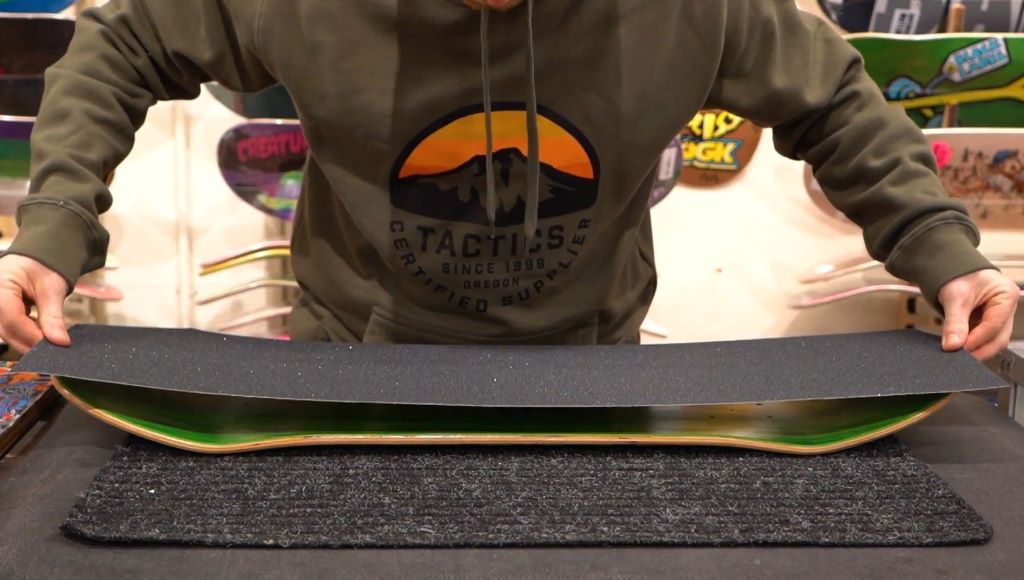
- Measure and Cut: Place the grip tape over your board and trace the outline with a sharp knife or razor blade. Cut carefully to avoid jagged edges.
- Peel and Stick: Peel off the backing and align the tape with your board. Press down firmly, starting from one end and working your way to the other to avoid bubbles.
- Smooth Out Bubbles: Use a skateboard tool or a hard object to press out any air bubbles. This ensures a smooth, even surface.
- File the Edges: Use a file or sandpaper to smooth the edges of the grip tape. This prevents peeling and gives your board a clean, finished look.
FAQs
How often should I replace my grip tape?
This depends on how often you skate. For regular skaters, replacing grip tape every 3–6 months is a good rule of thumb. If the tape feels smooth or starts to peel, it’s time for a change.
Can I reuse grip tape?
Grip tape loses its stickiness once removed, so it’s not recommended to reuse it. Always use fresh tape for the best performance.
Does grip tape color affect performance?
No, the color of your grip tape doesn’t impact traction. However, darker colors may show less dirt and wear over time.
What’s the best grip tape for beginners?
Standard grip tape is the best choice for beginners. It offers a good balance of traction, durability, and affordability.
How do I clean my grip tape?
Use a grip tape cleaner or a soft brush to remove dirt and debris. Avoid using water, as it can weaken the adhesive.
Conclusion
Choosing the best skateboard grip tape for better control is a small but powerful way to improve your skateboarding experience. The right tape enhances traction, durability, and board feel, helping you skate with confidence and precision.
Now that you know what to look for, it’s time to upgrade your setup. Try out different types of grip tape to see what works best for your style. Have a favorite grip tape or application tip? Share your thoughts in the comments below—we’d love to hear from you! Don’t forget to share this article with your fellow skaters who might need a grip tape upgrade. Happy skating!