Skateboarding isn’t just for teenagers at the skate park anymore. This exciting activity has become a legitimate fitness option for people of all ages. Whether you’re looking to shed pounds or simply stay active, skateboarding offers a fun alternative to traditional gym workouts.
Many adults are discovering that skateboarding provides an excellent cardiovascular workout. Additionally, it helps build muscle strength and improves balance. The best part is that you won’t feel like you’re exercising at all.
Why Skateboarding Works for Weight Loss
Skateboarding burns a significant number of calories. According to research from Harvard Medical School, a person weighing 155 pounds can burn approximately 300 calories in just 60 minutes of moderate skateboarding. Therefore, regular sessions can contribute substantially to your weight loss goals.
The activity engages multiple muscle groups simultaneously. Your legs push and balance the board while your core stabilizes your body. Meanwhile, your arms help maintain equilibrium. This full-body engagement makes skateboarding remarkably efficient for fitness.
Furthermore, skateboarding counts as both cardio and strength training. You’ll elevate your heart rate while building lean muscle mass. This combination creates an ideal environment for burning fat and improving overall fitness.
Getting Started with Skateboarding
Before you begin, you’ll need the right equipment. A quality skateboard designed for beginners is essential. However, don’t spend a fortune on your first board. A basic complete skateboard from a reputable brand will work perfectly.
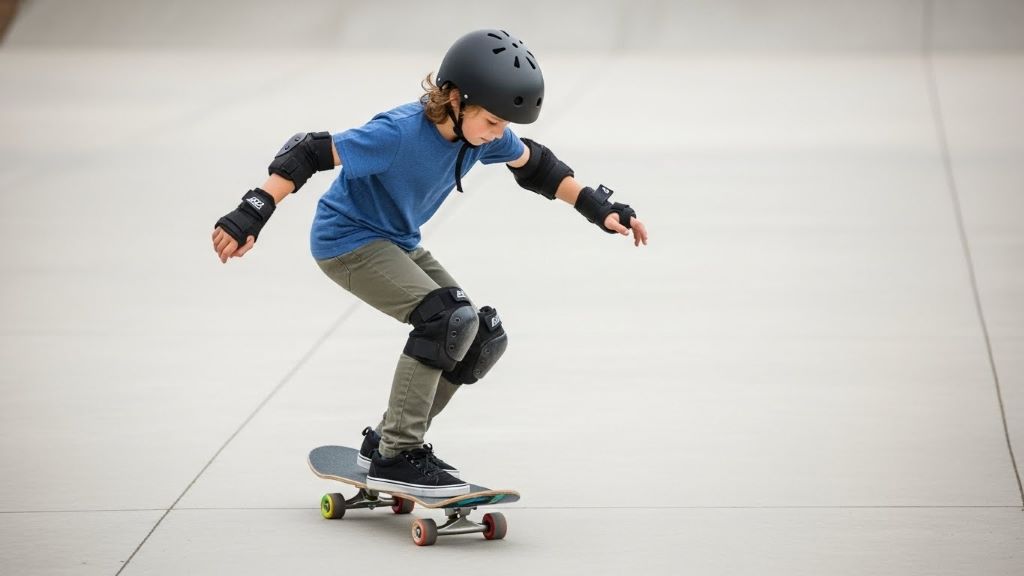
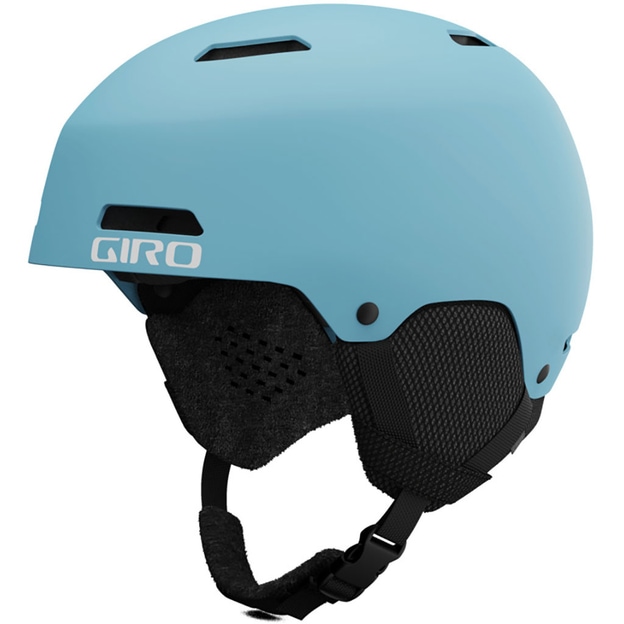
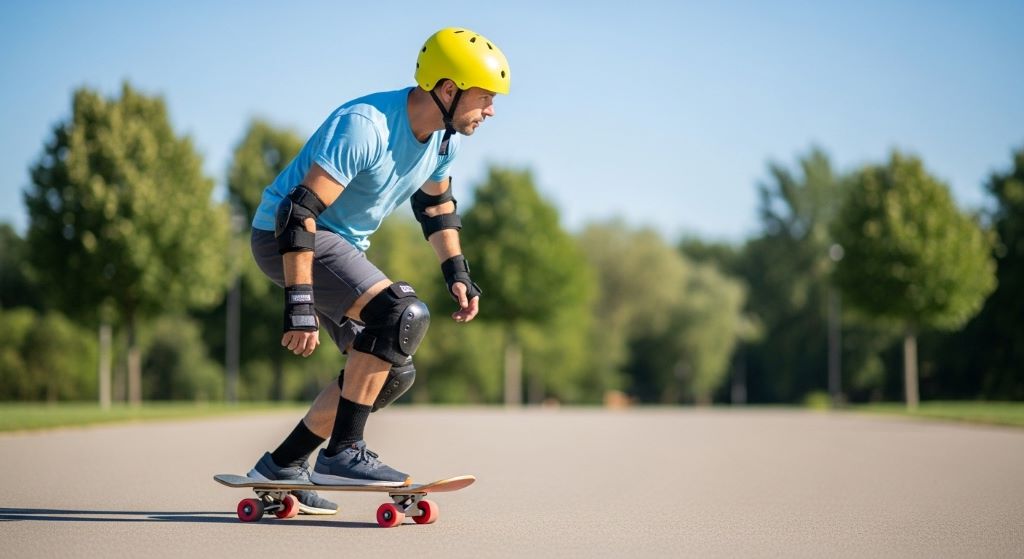
Safety gear is non-negotiable. Invest in a certified helmet, knee pads, elbow pads, and wrist guards. These items protect you from injuries that could derail your fitness journey. Moreover, wearing protection builds confidence as you learn.
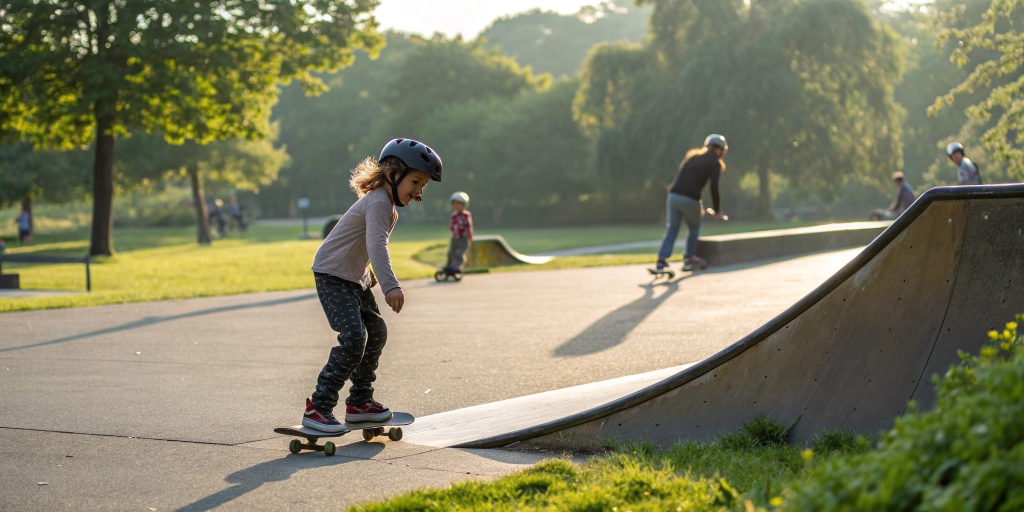
Choose your practice location carefully. Empty parking lots or smooth sidewalks work well for beginners. Avoid crowded areas until you’ve developed better control. Additionally, look for spots with minimal traffic and obstacles.
Basic Techniques for Fitness Results
Start with simple pushing and gliding. Place your front foot on the board and push with your back foot. This basic movement already provides a workout for your legs and core. Practice this motion repeatedly to build endurance.
Balance exercises come next. Try standing on your board while stationary. Shift your weight from side to side slowly. These movements strengthen your ankles and improve stability. Consequently, you’ll develop better body awareness.
Once comfortable, practice turning. Lean gently in the direction you want to go. Your board will respond to these weight shifts. Turning adds variety to your workout and engages different muscle groups.
Cruising at a steady pace offers the best cardio benefits. Aim for continuous movement rather than frequent stops. However, take breaks when needed, especially as a beginner. Building endurance takes time and consistency.
Creating an Effective Skateboarding Workout
Structure your sessions like any other workout. Begin with a five-minute warm-up of easy pushing and gliding. This prepares your muscles and reduces injury risk. Additionally, warming up gradually increases your heart rate.
For the main workout, alternate between different intensities. Push hard for two minutes, then cruise at a moderate pace for three minutes. These intervals maximize calorie burn and improve cardiovascular fitness. Repeat this pattern for 30 to 45 minutes.
Include skill-building exercises between intervals. Practice balance, turns, or navigating around cones. These activities keep your workout interesting while developing coordination. Moreover, learning new skills keeps you mentally engaged.
Cool down properly after each session. Spend five minutes skating at an easy pace. Follow this with gentle stretching for your legs, hips, and back. Proper recovery helps prevent soreness and improves flexibility.
How Often Should You Skateboard
Consistency matters more than intensity when starting out. Aim for three to four sessions per week initially. Each session should last between 30 and 60 minutes. Therefore, you’ll accumulate several hours of activity weekly.
Allow rest days between skateboarding sessions. Your muscles need time to recover and adapt. However, you can do light activities like walking on rest days. This approach prevents overtraining while maintaining momentum.
Gradually increase your frequency and duration. After four weeks, consider adding a fifth weekly session. Alternatively, extend your existing sessions by 10 to 15 minutes. Progressive overload ensures continued fitness improvements and weight loss.
Listen to your body throughout this process. Some soreness is normal, but pain signals a problem. Rest if you experience joint discomfort or excessive fatigue. Taking care of your body ensures long-term success.

Complementary Exercises for Better Results
Strength training enhances your skateboarding performance. Focus on exercises that target your legs, core, and balance. Squats, lunges, and planks work particularly well. Additionally, these movements prevent injuries and improve board control.
Flexibility training shouldn’t be overlooked. Yoga or regular stretching sessions improve your range of motion. Better flexibility translates to smoother skateboarding and fewer muscle strains. Therefore, dedicate time to stretching several times weekly.
Cross-training with other cardio activities prevents boredom. Swimming, cycling, or jogging complement skateboarding nicely. These activities work different muscle groups while maintaining cardiovascular fitness. Moreover, variety keeps your routine fresh and exciting.
Nutrition Considerations for Weight Loss
Exercise alone won’t guarantee weight loss. Your diet plays an equally important role. Consume fewer calories than you burn to create a deficit. However, don’t drastically cut calories, as this can reduce your energy for skateboarding.
Focus on whole, nutrient-dense foods. Lean proteins, vegetables, fruits, and whole grains should form your diet’s foundation. These foods provide sustained energy for your workouts. Additionally, they support muscle recovery and overall health.
Stay properly hydrated before, during, and after skating. Dehydration impairs performance and recovery. Carry water with you and sip regularly throughout your session. Proper hydration also helps control appetite and supports metabolism.
Time your meals strategically around workouts. Eat a light snack with carbohydrates and protein about an hour before skating. This fuels your session without causing digestive discomfort. Afterward, consume protein to support muscle repair.
Tracking Your Progress
Monitor your skateboarding sessions to stay motivated. Record the duration, distance, and intensity of each workout. Many fitness apps can track these metrics automatically. Consequently, you’ll see tangible evidence of improvement over time.
Take regular body measurements beyond just weight. Measure your waist, hips, and thighs monthly. Sometimes you’ll lose inches even when the scale doesn’t budge. These measurements provide a more complete picture of your progress.
Notice improvements in your skateboarding skills. Landing new tricks or skating longer distances indicates growing fitness. These non-scale victories matter just as much as weight loss. Moreover, skill progression keeps you motivated to continue.
Take progress photos every few weeks. Visual documentation reveals changes you might not notice daily. Compare photos from different angles to see your transformation. This method often proves more motivating than numbers alone.
Safety Tips for Long-Term Success
Never skip your protective gear, regardless of skill level. Injuries can set back your fitness goals significantly. Furthermore, healing from skateboarding injuries often takes weeks or months. Prevention is always easier than recovery.
Learn to fall properly to minimize injury risk. Practice falling on grass initially. Bend your knees and try to roll rather than catching yourself with stiff arms. This technique becomes instinctive with practice.
Respect your limits, especially on challenging terrain. Attempting tricks beyond your ability invites injury. Progress gradually and master basics thoroughly. Patience pays off with sustained, injury-free progress.
Maintain your skateboard regularly. Check wheels, trucks, and deck condition before each session. Loose parts or worn components increase accident risk. Additionally, a well-maintained board performs better and lasts longer.
Conclusion
Skateboarding offers an engaging and effective way to achieve fitness and weight loss goals. This activity burns substantial calories while building strength, balance, and coordination. Moreover, the fun factor makes it easier to maintain consistency compared to traditional exercise.
Start slowly with basic techniques and proper safety equipment. Gradually increase session frequency and duration as your skills improve. Combine skateboarding with strength training and proper nutrition for optimal results.
Remember that progress takes time and dedication. Track your improvements through various metrics beyond just weight. Most importantly, enjoy the journey and celebrate every milestone along the way. Skateboarding can transform not just your body, but your entire approach to fitness.
Frequently Asked Questions
How many calories does skateboarding burn per hour?
Skateboarding burns approximately 300 to 500 calories per hour, depending on your weight, intensity level, and skill. More aggressive skating with tricks burns more calories than casual cruising. However, even beginners can achieve significant calorie burn through consistent pushing and balance work.
Is skateboarding better than running for weight loss?
Skateboarding and running both offer excellent weight loss benefits. Skateboarding may be easier on your joints due to less impact. However, running typically burns slightly more calories per hour. The best exercise is the one you’ll actually do consistently, so choose based on your preferences.
How long does it take to see weight loss results from skateboarding?
Most people notice weight loss results within four to six weeks of regular skateboarding combined with proper nutrition. Initial changes include improved muscle tone and cardiovascular endurance. Visible weight loss depends on your starting point, diet, and consistency with three to four weekly sessions.
Can beginners use skateboarding for fitness?
Absolutely. Beginners can effectively use skateboarding for fitness starting with basic pushing and cruising. You don’t need to perform tricks to get an excellent workout. Focus on continuous movement and gradually building endurance. The learning process itself provides substantial physical benefits.
What skateboard type is best for fitness and cruising?
Cruiser boards or longboards work best for fitness purposes. These boards offer stability, smooth rides, and comfortable pushing over long distances. They typically have softer wheels that handle various surfaces well. Avoid trick-oriented street boards if your primary goal is fitness rather than learning technical maneuvers.
Related Topics:
Skateboard Tricks: Master Insane Moves!
Skateboard for Kids: 5 Cool Picks for Junior Shredders!