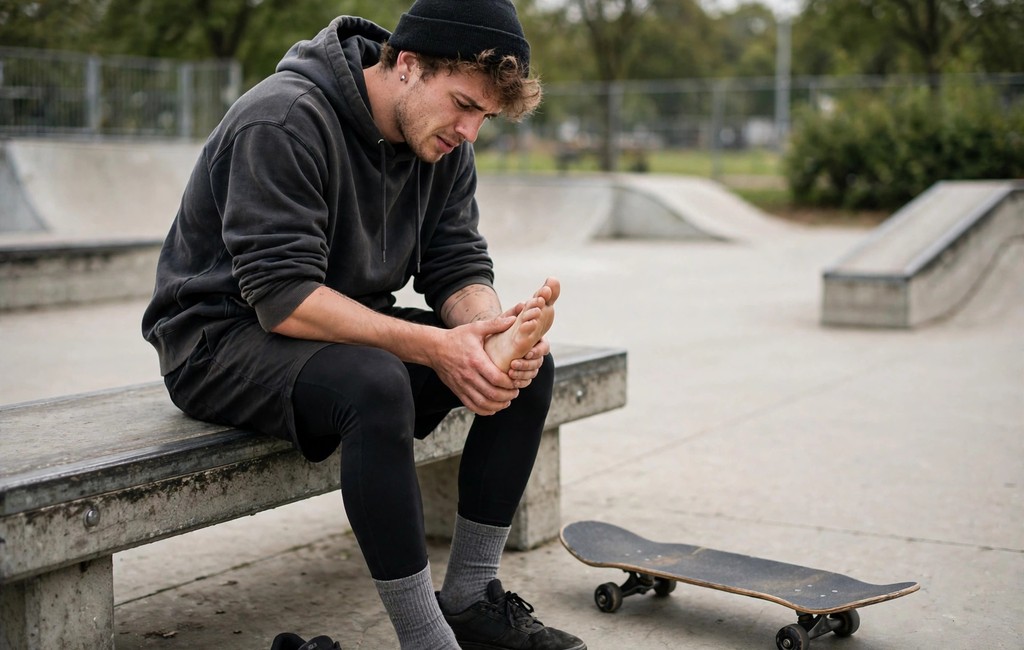
Skateboarding hurts your feet because repeated impact, poor foot positioning, worn shoes, and constant pressure strain muscles and joints. Most foot pain develops gradually from repetitive movements, although sudden injuries can also cause significant discomfort.
Skateboarding places intense stress on the feet during every ride. Studies have shown that foot and ankle injuries account for a significant percentage of skateboarding related injuries. Additionally, repeated jumping and landing forces can exceed several times a person’s body weight.
Many skaters expect sore legs after a session. However, persistent foot pain often surprises beginners and experienced riders alike. Understanding why skateboarding hurts your feet helps prevent injuries and improves overall comfort. Once you identify the causes, you can make simple adjustments that protect your feet while maintaining performance.
Understanding What Happens Inside Your Feet
Your feet contain dozens of bones, joints, ligaments, and muscles. Every skateboarding movement demands coordination from these structures. Consequently, even small mistakes can create significant stress over time.
Unlike walking, skateboarding combines balance, impact absorption, and force generation. Therefore, your feet work continuously throughout a session. They rarely receive extended periods of rest while riding.
The Constant Pressure Factor
One foot usually remains planted in a fixed position. Meanwhile, the other foot frequently pushes, pivots, and controls movement. This uneven workload often creates soreness in specific areas.
Over time, pressure accumulates beneath the heel and forefoot. As a result, discomfort can develop even without a noticeable injury. Many skaters mistake this gradual strain for normal fatigue.
Impact From Landing Tricks
Landing tricks generates substantial force through the feet. Every successful landing transfers energy from the skateboard into the body. Naturally, the feet absorb the first shock.
Repeated ollies, kickflips, and stair drops increase this impact load. Consequently, tissues receive less recovery time between sessions. Small areas of irritation can eventually become painful conditions.
Hard Landings Increase Stress
Landing with stiff legs reduces shock absorption. Instead, the force travels directly into the feet and ankles. Therefore, pain often develops faster when technique suffers.
Heavy impacts can also irritate the heel pad. Furthermore, repeated stress may contribute to inflammation around tendons and joints. Proper landing mechanics help reduce these risks.
Poor Skateboarding Shoes
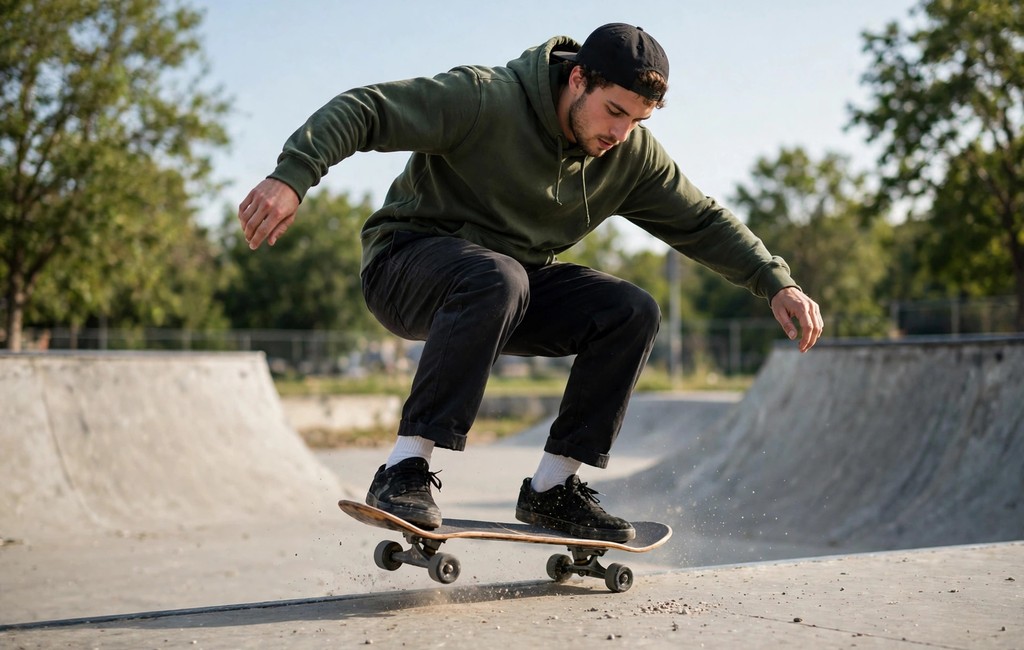
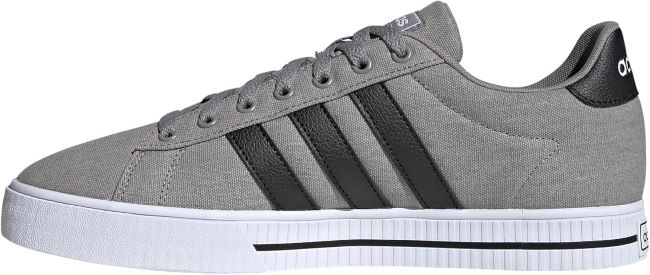
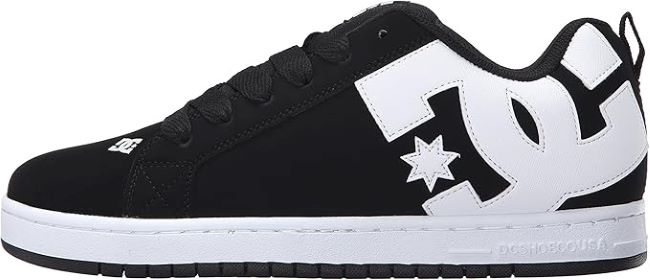
Many foot problems begin with inappropriate footwear. Skate shoes should provide support, cushioning, and board control. These most comfortable skate shoes are built for all foot types. Unfortunately, worn shoes often fail in all three areas.
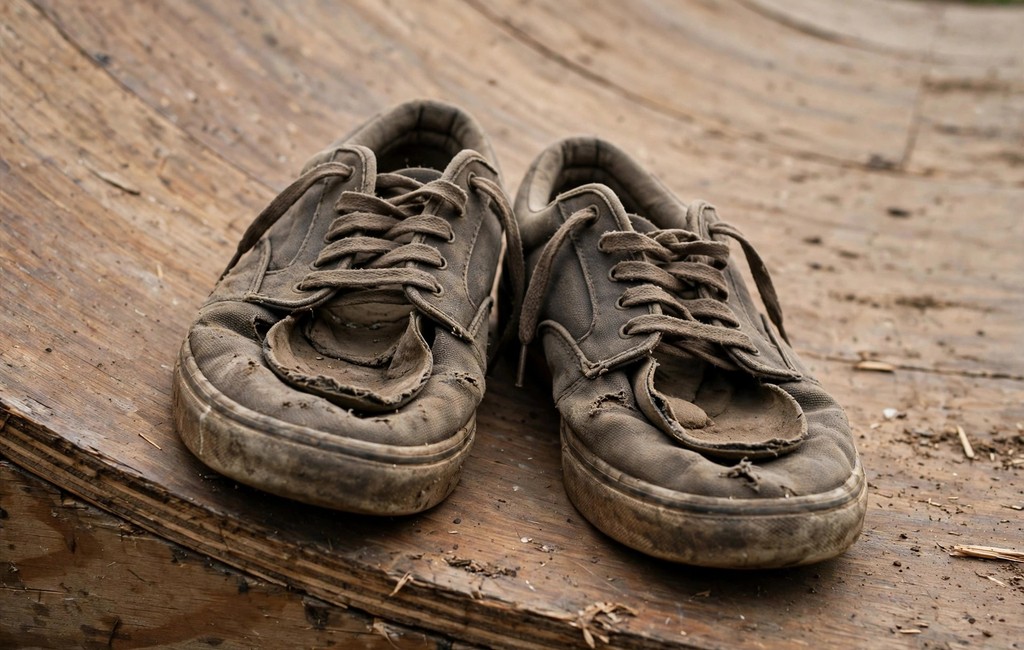
As cushioning breaks down, pressure concentrates on specific foot regions. Consequently, soreness increases after longer sessions. Even skilled skaters experience discomfort from inadequate footwear.
Signs Your Shoes Need Replacement
Watch for these warning signs:
- Flattened insoles
- Thin or worn out soles
- Reduced heel cushioning
- Torn upper materials
- Uneven wear patterns
Once these issues appear, support decreases significantly. Therefore, replacing shoes promptly can prevent ongoing pain. Start with the best skate shoe brands when you shop for a replacement.
Repetitive Pushing Movements
Pushing appears simple, yet it places repeated strain on the feet. The pushing foot performs the same motion hundreds of times during a session. Consequently, muscles and tendons can become overworked.
This repetitive action especially affects the arch and forefoot. Additionally, the ankle must stabilize during every push. Over time, irritation may develop in these areas.
Different terrain conditions can worsen the issue. Rough surfaces require greater effort and increase overall workload. Therefore, foot fatigue often appears faster on challenging terrain.
Arch Strain And Foot Fatigue
The foot arch acts as a natural shock absorber. During skateboarding, it constantly adapts to movement and impact. Consequently, arch structures experience significant stress.
People with flat feet often experience different challenges. Riders with wider feet should look at shoes for wide feet with extra room. Meanwhile, those with very high arches may encounter pressure concentration problems. Both situations can contribute to discomfort.
Common Symptoms Of Arch Stress
Many skaters report:
- Aching along the middle foot
- Morning stiffness
- Tenderness after riding
- Burning sensations during long sessions
- Reduced comfort while standing
These symptoms frequently indicate excessive strain. Therefore, addressing them early helps avoid larger problems.
Incorrect Foot Placement
Foot positioning affects balance, control, and comfort. Even slight placement errors can increase pressure on certain areas. Consequently, pain develops despite otherwise proper technique.
Some riders place excessive weight on the toes. Others overload the heel region. Therefore, finding balanced positioning remains essential for long term comfort.
Consistent foot adjustments help distribute pressure more evenly. As a result, stress spreads across larger areas rather than concentrating in one location.
Overtraining Without Recovery
Many enthusiastic skaters ride every day without adequate recovery. Although dedication improves skills, excessive training creates problems. The body needs time to repair stressed tissues.
Without sufficient rest, small irritations accumulate quickly. Consequently, soreness becomes persistent rather than temporary. Recovery plays a crucial role in injury prevention.
Recovery Habits That Help
Consider these practices:
- Schedule rest days
- Stretch after sessions
- Stay hydrated
- Sleep adequately
- Gradually increase intensity
These habits support tissue repair. Furthermore, they help maintain consistent performance over time.
Foot Injuries Common Among Skaters
Certain injuries occur more frequently in skateboarding. Recognizing them early improves recovery outcomes. Therefore, paying attention to symptoms matters greatly.
Plantar Fascia Irritation
The plantar fascia supports the arch beneath the foot. Repeated impact can irritate this tissue. Consequently, heel and arch pain often develop.
Symptoms frequently feel worse during the first steps each morning. However, discomfort may improve temporarily with movement. Persistent cases require proper management.
Heel Bruising
Hard landings can compress the heel repeatedly. As a result, the protective fat pad becomes irritated. Pain often feels deep and localized.
Skaters who frequently jump large obstacles face increased risk. Therefore, adequate cushioning becomes especially important.
Tendon Overload
Tendons connect muscles to bones throughout the foot. Repetitive movements can overload these structures. Consequently, tenderness and swelling may occur.
Ignoring symptoms often prolongs recovery. Therefore, reducing activity during flare ups helps prevent worsening conditions.
How Board Setup Influences Foot Pain
Many skaters focus exclusively on technique. However, equipment setup also affects comfort. Small adjustments sometimes create significant improvements.
Board width influences foot positioning and stability. Additionally, wheel hardness affects impact transmission. Therefore, setup choices deserve careful consideration.
Hard wheels generally transmit more vibration. Meanwhile, softer wheels often reduce harsh impacts. Learn how to choose the best skateboard wheels for your terrain. Matching equipment to riding style can improve comfort substantially.
Practical Ways To Reduce Foot Pain
Preventing foot pain requires a combination of strategies. Fortunately, many solutions are straightforward and affordable. Consistency matters more than complexity.
Focus On Technique
Better technique reduces unnecessary stress. Smooth landings distribute force more effectively. Consequently, feet absorb less punishment.
Practice bending your knees during impacts. Additionally, avoid locking your legs when landing. These adjustments improve shock absorption significantly.
Upgrade Your Insoles
Quality insoles improve support and cushioning. They also help distribute pressure more evenly. Therefore, many skaters experience immediate comfort improvements.
Look for options designed for impact sports. Furthermore, ensure they fit properly inside your skate shoes.
Strengthen Your Feet
Stronger feet tolerate stress more effectively. Simple exercises can improve endurance and stability. Consequently, discomfort often decreases over time.
Helpful exercises include:
- Toe raises
- Towel curls
- Balance drills
- Calf strengthening
- Arch activation exercises
Regular practice produces gradual benefits. Therefore, patience remains important.
When Foot Pain Requires Attention
Not all foot pain resolves independently. Some symptoms indicate a need for professional evaluation. Therefore, recognizing warning signs is essential.
Seek medical attention if pain persists for weeks. Additionally, swelling, numbness, or difficulty walking should not be ignored. Early treatment often prevents longer recovery periods.
Sharp pain following an injury also deserves evaluation. Likewise, symptoms that worsen despite rest require further assessment. Prompt action usually leads to better outcomes.
Conclusion
Skateboarding hurts your feet because repeated impacts, poor footwear, repetitive movements, and inadequate recovery place continuous stress on foot structures. Although occasional soreness is common, persistent pain signals that something needs attention.
Protect your feet by improving technique, upgrading footwear, managing training volume, and addressing discomfort early. Small changes today can help you skate longer, feel better, and avoid unnecessary injuries.
FAQs
Why do my feet hurt after skateboarding for only an hour?
Your feet may be adjusting to impact forces, pressure, and repetitive movements during riding.
Can skate shoes cause foot pain?
Yes, worn or poorly fitting skate shoes often contribute to discomfort and pressure points.
Is foot pain normal for beginner skaters?
Mild soreness is common initially, but severe or persistent pain is not normal.
Do insoles help reduce skateboarding foot pain?
Yes, quality insoles can improve cushioning, support, and pressure distribution.
Should I stop skating if my feet hurt?
You should reduce activity and assess the cause if pain becomes persistent or severe.