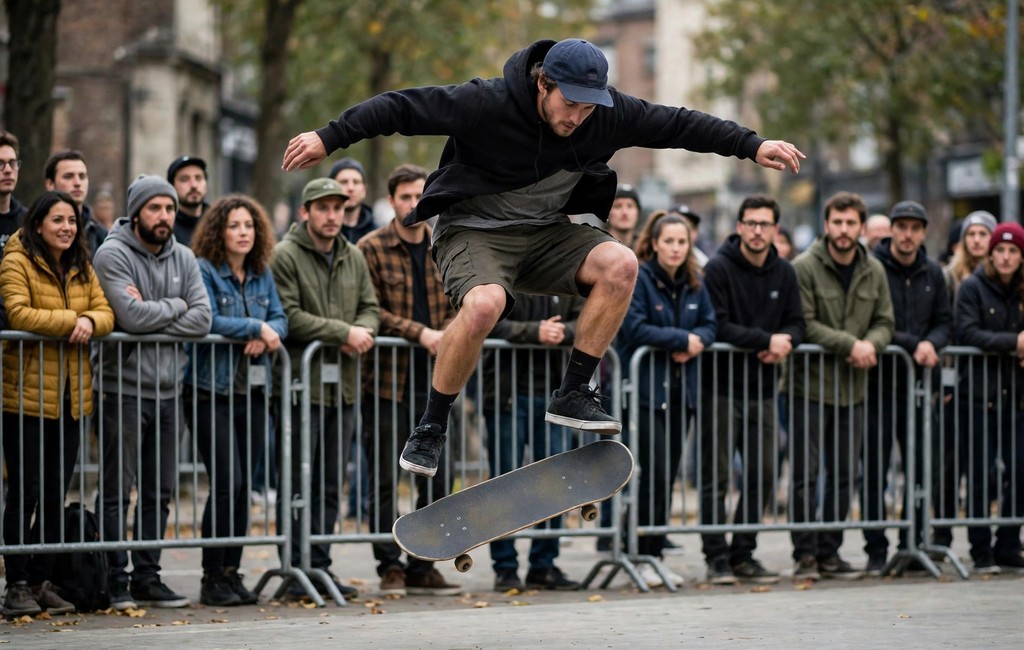
Yes, skateboarding is a sport. It involves physical skill, structured competition, training, performance standards, and athletic development. Furthermore, its inclusion in major international competitions confirms its recognition as a legitimate sport.
Many people still debate skateboarding’s identity because it blends athletic competition with creative expression. However, modern skateboarding meets the same core requirements found in widely accepted sports. Participation continues growing worldwide, while professional events attract large audiences and sponsorships.
Recent industry estimates suggest tens of millions of people skateboard globally. Meanwhile, major skateboarding competitions regularly draw significant viewership across digital and broadcast platforms.
What Defines A Sport?
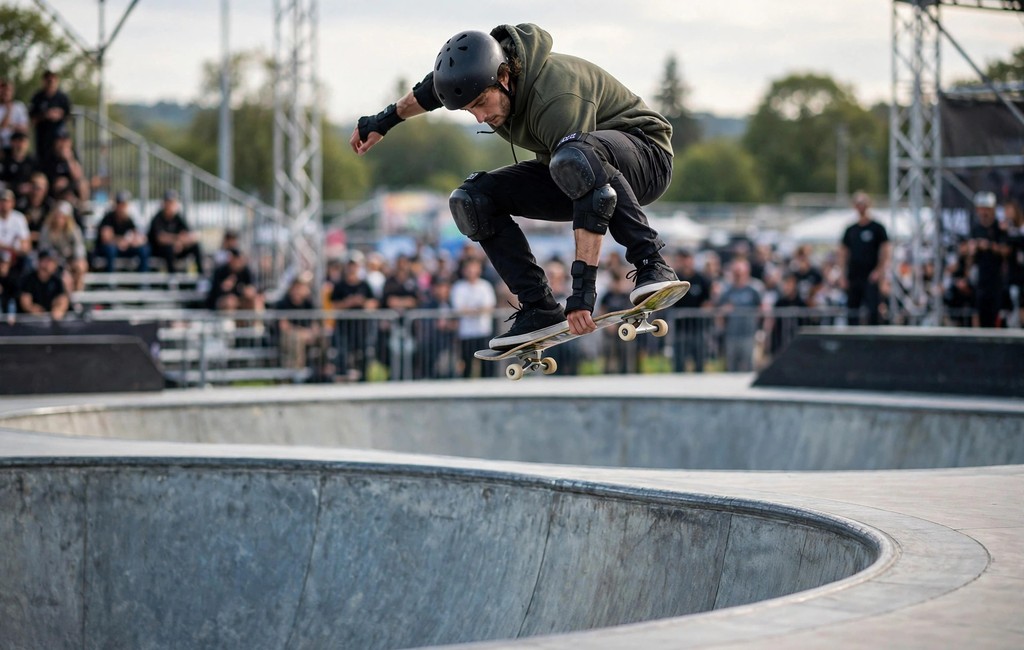
A sport generally includes physical exertion, skill development, competition, and measurable performance outcomes. Most recognized sports share these fundamental characteristics.
Athletes train consistently to improve performance and achieve specific goals. Likewise, sports often have governing bodies, official rules, and organized events.
Competition remains a central element in sport classification. Therefore, activities involving structured contests often gain broader recognition as sports.
How Skateboarding Meets The Definition Of A Sport
Skateboarding satisfies every major criterion commonly used to define sports. Participants develop technical skills through dedicated practice and repetition.
Athletes must control balance, coordination, timing, and body positioning. Consequently, performance depends heavily on physical ability and mental focus.
Competitive skateboarding also follows established judging standards and event formats. As a result, winners are determined through objective scoring systems and performance evaluations.
Physical Demands
Skateboarding requires strength, endurance, flexibility, and explosive movement. Riders repeatedly perform jumps, spins, and technical maneuvers.
Leg muscles generate power for tricks and landings. Meanwhile, core strength helps maintain stability during complex movements.
Long practice sessions create substantial cardiovascular and muscular demands. Therefore, successful skateboarders often follow structured fitness routines.
Technical Skill Development
No rider masters advanced tricks without significant training and repetition. Progress typically requires years of consistent practice.
Athletes learn increasingly difficult maneuvers through incremental improvement. Furthermore, they analyze technique and make constant adjustments.
Precision matters because small mistakes often lead to failed attempts. Consequently, technical mastery separates elite competitors from recreational participants.
Organized Competition
Competitive skateboarding features professional tours, championships, and international events. The Tampa Am 2026 schedule shows how a major amateur contest runs. Athletes compete under standardized judging criteria.
Judges evaluate execution, difficulty, creativity, consistency, and overall performance. Therefore, rankings reflect skill rather than subjective popularity.
Professional competitions also offer prize money and sponsorship opportunities. As a result, skateboarding supports full time athletic careers.
The Olympic Recognition Of Skateboarding
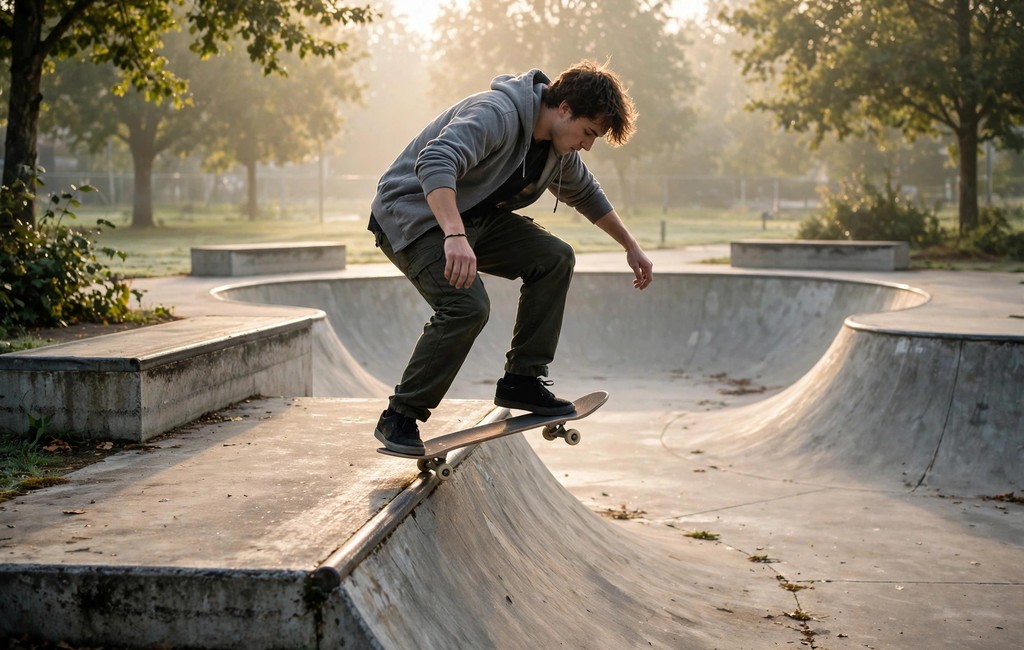
Olympic inclusion significantly strengthened skateboarding’s sporting status. Our guide asks: is skateboarding an Olympic sport, and how did it qualify? The sport debuted on the world’s biggest athletic stage and gained global legitimacy.
Olympic competition requires rigorous standards and international governance. Therefore, acceptance into the Games represents substantial recognition.
Athletes now train specifically for Olympic qualification pathways. Moreover, national organizations invest resources into athlete development programs.
This level of structure closely mirrors traditional sports systems. Consequently, fewer critics question skateboarding’s legitimacy today.
Why Some People Say Skateboarding Is Not A Sport
Despite widespread acceptance, some individuals still challenge the classification. Their arguments often focus on skateboarding’s creative culture.
Unlike many team sports, skateboarding emphasizes personal expression and unique style. That creative side is why many call it skateboarding and art in one. Therefore, some observers view it more as an art form.
Others associate skateboarding with street culture rather than organized athletics. However, cultural identity does not prevent an activity from being a sport.
Many accepted sports also celebrate creativity and individuality. Figure skating and gymnastics provide clear examples of this overlap.
Sport And Art Can Exist Together
The debate often creates a false choice between sport and art. In reality, skateboarding comfortably occupies both categories.
Competitive success requires measurable athletic performance and technical execution. At the same time, personal style influences how tricks appear.
This combination makes skateboarding unique rather than less legitimate. Furthermore, artistic elements often enhance audience engagement.
Many athletes view creativity as a competitive advantage. Consequently, innovation continues pushing the sport forward.
Different Types Of Competitive Skateboarding
Competitive skateboarding includes multiple disciplines with distinct formats. Each discipline tests different abilities and strategies.
Common competitive categories include:
- Street Skateboarding
- Focuses on rails, stairs, ledges, and urban obstacles.
- Rewards technical difficulty and trick variety.
- Park Skateboarding
- Takes place in bowl style environments.
- Emphasizes speed, flow, height, and creativity.
- Vert Skateboarding
- Uses large vertical ramps.
- Highlights aerial tricks and advanced rotations.
- Downhill Skateboarding
- Prioritizes speed and control.
- Requires precise maneuvering at high velocities.
Each discipline demands specialized training and unique techniques. Therefore, athletes often focus on one primary area.
The Athletic Benefits Of Skateboarding
Skateboarding provides substantial physical and mental benefits. Participants improve multiple aspects of overall fitness.
Key advantages include:
- Physical Benefits
- Better balance and coordination.
- Increased lower body strength.
- Improved flexibility and mobility.
- Enhanced cardiovascular endurance.
- Mental Benefits
- Greater focus and concentration.
- Improved problem solving skills.
- Increased resilience after setbacks.
- Stronger confidence through progression.
Learning new tricks requires patience and persistence. Consequently, skateboarders often develop valuable life skills beyond athletic performance.
How Professional Skateboarders Train
Elite skateboarders follow demanding training schedules throughout the year. Success requires much more than casual riding.
Athletes spend hours practicing specific tricks and competition runs. Additionally, many include strength training and conditioning programs.
Recovery also plays a critical role in performance maintenance. Therefore, professional athletes focus on nutrition, mobility, and injury prevention.
Video analysis helps competitors refine technique and identify weaknesses. As a result, training methods increasingly resemble those used in traditional sports.
Skateboarding Compared To Other Recognized Sports
Many accepted sports share characteristics with skateboarding. Similarities become obvious when examining competition structures and training demands.
Gymnastics rewards technical execution, creativity, and difficulty. Likewise, skateboarding uses comparable judging concepts.
Snowboarding also combines athletic performance with personal style. Therefore, few people question its status as a sport.
The same reasoning applies to skateboarding. Both activities require skill, discipline, and competitive excellence.
The Future Of Skateboarding
Skateboarding continues expanding across recreational and competitive levels. Participation remains strong among both youth and adults.
Investment in facilities creates more opportunities for skill development. Meanwhile, professional competitions attract increasing media attention.
Technology also improves coaching, performance analysis, and athlete preparation. Consequently, the sport continues evolving rapidly.
Greater visibility encourages new participants to start riding. As a result, skateboarding’s influence will likely continue growing.
Conclusion
Skateboarding is unquestionably a sport because it combines athletic ability, technical skill, structured competition, and dedicated training. While creativity remains central to its identity, that artistic element strengthens the sport rather than diminishing it.
Whether you ride casually or dream of competition, skateboarding offers meaningful physical and mental rewards. Grab a board, practice consistently, and experience firsthand why millions consider skateboarding a true sport.
FAQs
Is skateboarding officially recognized as a sport?
Yes, major sporting organizations and international competitions officially recognize skateboarding as a sport.
Why do some people think skateboarding is not a sport?
Many people focus on its artistic and cultural aspects rather than its competitive structure.
Does skateboarding require athletic ability?
Yes, successful skateboarding requires balance, strength, coordination, endurance, and agility.
Is skateboarding in the Olympics?
Yes, skateboarding became an Olympic sport and now features international competition.
Can skateboarding improve fitness?
Yes, regular skateboarding improves strength, balance, coordination, endurance, and overall physical fitness. See how to skateboard for fitness and weight loss.