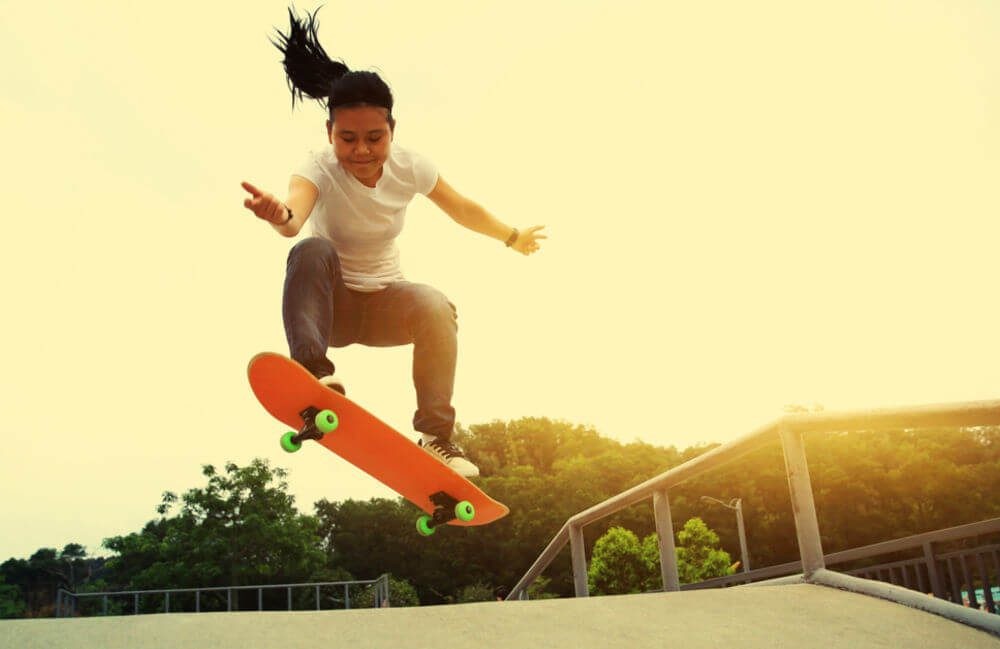
Skateboarding looks effortless when an experienced rider moves smoothly across the pavement, performs a clean ollie, or navigates a skatepark with confidence. For someone stepping onto a skateboard for the first time, however, even standing still can feel like a challenge. Finding the right balance, pushing forward, turning, and controlling the board all require practice.
Many beginners start by watching online tutorials or learning from friends. These approaches can be useful, but they do not always provide a clear learning path. Without understanding which skills to develop first, new skaters can spend hours repeating the same mistakes or attempting tricks before they are ready.
Structured skateboarding lessons offer a more organized way to approach the sport. By breaking complicated movements into manageable steps, beginners can develop essential skills, recognize their progress, and build confidence without feeling overwhelmed.
Learning the Basics in the Right Order
One of the biggest challenges for beginners is knowing where to start. It is tempting to try an ollie or ride down a ramp after watching experienced skateboarders do it. However, these movements depend on several basic skills that take time to develop.
A structured learning approach introduces fundamental techniques before moving on to more challenging activities. Beginners typically start with identifying their natural stance, understanding foot placement, and learning how to maintain balance while standing on the board.
Once these movements become familiar, they can move on to pushing, gliding, turning, and stopping. Each skill prepares the rider for the next one.
Learning in this order makes a noticeable difference. Instead of struggling with several unfamiliar movements at once, beginners can concentrate on one particular skill and improve it through repetition. This creates a stronger foundation for learning tricks and handling different skating environments later.
Building Better Balance and Board Control
Balance is at the center of almost every skateboarding movement. Even simple activities, such as pushing off or making a gentle turn, require coordination between the feet, legs, and upper body.
New skaters often make the mistake of keeping their bodies too stiff. They may straighten their knees, look down constantly, or shift their weight too far toward one side. These habits can make the board feel unpredictable.
A structured lesson helps beginners understand how their body position affects the skateboard. They can practise bending their knees slightly, keeping their weight centered, and looking in the direction they want to travel.
An instructor can also identify small technique problems that beginners might not notice themselves. For example, adjusting foot placement or correcting weight distribution can make balancing feel considerably easier.
With regular practice, these movements gradually become more natural. Better board control also allows beginners to focus less on staying upright and more on enjoying the experience of riding.
Getting Immediate Feedback Instead of Repeating Mistakes
Watching skateboarding tutorials can introduce beginners to useful techniques, but videos cannot always explain why a particular movement is not working for an individual rider.
Someone might repeatedly struggle to push correctly without realizing that their front foot is positioned poorly. Another beginner might have difficulty turning because they are shifting their weight in the wrong direction.
This is where personal instruction becomes valuable.
During a lesson, an experienced instructor can observe how a beginner moves and offer corrections while the technique is still fresh. Rather than allowing an incorrect movement to become a habit, the student can adjust and try again.
Feedback also makes practice more productive. Beginners understand what they are doing correctly, which areas need improvement, and what they should concentrate on during their next attempt.
For those looking for additional guidance, goskate lessons provide an opportunity to learn foundational skateboarding techniques with instruction suited to a beginner’s experience and ability.
The benefit is not simply having someone demonstrate a movement. It is receiving practical guidance that helps turn an unfamiliar technique into something manageable.
Developing Confidence Through Small Achievements
Confidence plays an important role in learning any new physical activity. Skateboarding can feel intimidating at first because the board moves independently beneath the rider, making it difficult to predict what will happen next.
Trying to master too many skills too quickly can increase that uncertainty. A beginner who cannot comfortably push or stop may feel discouraged when attempting more advanced movements.
Structured lessons make the learning process easier by setting achievable goals.
For example, a beginner might spend one session getting comfortable standing on the board. The next goal could be making short pushes across a flat surface, followed by learning to turn and slow down.
Each small achievement provides a reason to keep practising.
This approach also changes how beginners view mistakes. Instead of seeing every fall or unsuccessful attempt as a setback, they begin to understand that improvement comes through repetition and adjustment.
Over time, these experiences help riders become more comfortable trying unfamiliar movements and challenging themselves at their own pace.
Understanding Safety Before Trying New Tricks
Skateboarding involves movement, speed, and changing surfaces, so learning basic safety practices should be part of the process from the beginning.
Beginners sometimes focus so much on learning how to ride that they overlook important details such as protective equipment, suitable practice locations, and safe ways to stop.
A structured lesson introduces these considerations alongside basic riding techniques.
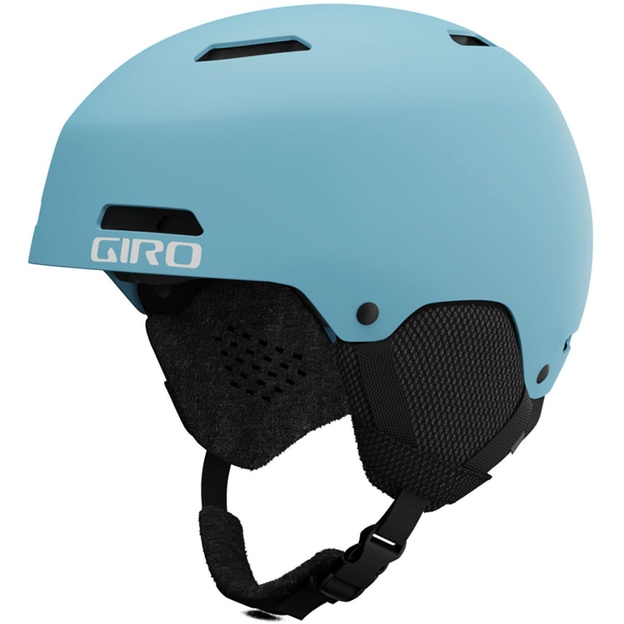
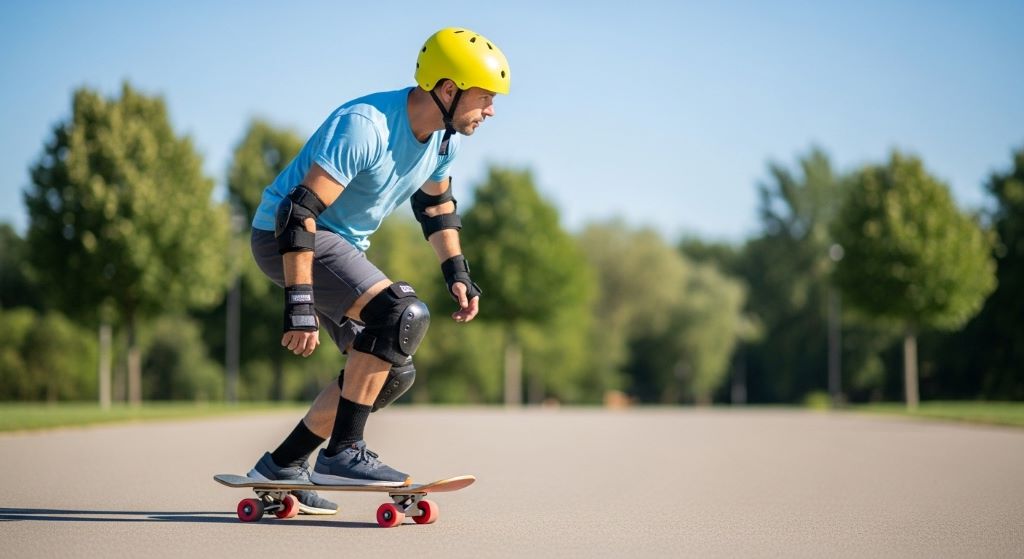
New skaters can learn why a properly fitted helmet matters, how knee and elbow pads provide additional protection, and why wrist guards are useful when practising. Wearing flat-soled shoes with good grip also helps maintain better contact with the board.
Another important skill is learning how to respond when balance is lost. Beginners should understand how to step away from a moving board when appropriate and practise safe falling techniques under suitable guidance.
Knowing how to stop is equally important. Foot braking and controlled step-offs are useful techniques that help beginners manage their speed before attempting more demanding movements.
Developing these habits early makes it easier to approach new challenges with greater awareness and control.
Making Practice More Consistent and Purposeful
Progress in skateboarding does not happen through one lesson alone. Like other physical skills, it develops through consistent practice over time.
However, practising without a clear objective can make it difficult to recognize improvement. Beginners might spend an entire afternoon attempting different tricks without giving enough attention to the fundamentals.
A structured learning plan gives each practice session a purpose.
For instance, a beginner who has recently learned to push can dedicate time to improving distance and maintaining a steady stance. Once comfortable, they can introduce gentle turns or practise stopping from a slow, controlled speed.
Repeating familiar movements is just as important as learning new ones. It helps develop muscle memory, improves coordination, and makes basic techniques feel more natural.
Short, focused practice sessions can also be more productive than spending hours skating while becoming tired or frustrated. Taking breaks allows beginners to maintain concentration and return to practice with better energy.
Keeping track of individual achievements can provide additional motivation. Being able to ride across a smooth surface without losing balance or make a controlled turn might seem like a small accomplishment, but these improvements represent real progress.
Learning to Adapt to Different Skateboarding Environments
Once beginners become comfortable with basic riding, they can gradually explore different places to skate.
Smooth sidewalks, empty parking areas, designated practice spaces, and skateparks each offer different experiences. However, moving between these environments requires more than simply knowing how to stand on a skateboard.
Riders need to understand how different surfaces affect movement, how to manage speed, and how to remain aware of their surroundings.
Structured instruction can help beginners recognize when they are ready to introduce new challenges. For example, someone who can comfortably push and stop on flat ground may begin practising gentle slopes with appropriate supervision.
Skateparks introduce another set of considerations. Beginners need to understand how to share space, take turns, watch other riders, and avoid entering someone else’s path.
Learning these habits makes the transition from basic practice to more active skateboarding environments less intimidating.
It also introduces beginners to an important part of skateboarding culture: respecting other riders and understanding that everyone progresses at a different pace.
Why Structured Lessons Still Leave Room for Individual Style
Although learning the fundamentals in an organized way is helpful, skateboarding is not about making every rider move exactly the same way.
Personal style is one of the things that makes the sport interesting. Some people enjoy cruising through their neighborhoods, while others are more interested in street skating, ramps, technical tricks, or simply spending time at the skatepark.
Structured lessons provide the foundation, but individual interests determine where a skater goes next.
Once beginners understand basic balance, foot placement, pushing, turning, and stopping, they have more freedom to explore the parts of skateboarding they enjoy most.
An instructor can help identify suitable next steps based on a rider’s comfort level and goals. Someone interested in street skating might begin working toward an ollie, while another person may prefer improving their turning technique and learning to ride comfortably over longer distances.
There is no single timeline that every beginner needs to follow. Progress depends on practice frequency, coordination, confidence, and personal goals.
The important thing is to develop reliable fundamentals before moving into more demanding skills.
Final Thoughts
Learning to skateboard is a process of building confidence one movement at a time. While beginners can certainly develop skills through independent practice, structured lessons provide direction that can make the early stages easier to understand and manage.
From learning proper foot placement to improving balance, receiving technique corrections, and understanding safety, guided instruction helps new riders avoid unnecessary confusion.
Most importantly, it allows beginners to recognize that progress does not depend on learning tricks immediately. Getting comfortable on the board, controlling movement, and enjoying each small improvement are what make a strong start.
With patience, consistent practice, and the right foundation, beginners can develop the skills they need to explore skateboarding with greater confidence.