Learning to skateboard is about more than finding someone who can demonstrate an impressive trick. For beginners, the right instructor can make the difference between an enjoyable learning experience and weeks of struggling with the same basic movements.
Skateboarding has its own learning curve. Understanding foot placement, maintaining balance, controlling speed, and making turns all require practice. While videos and advice from friends can provide a starting point, they cannot always identify why a particular technique is not working for an individual rider.
Choosing an instructor, therefore, deserves more thought than simply looking for the most experienced skateboarder in the area. Teaching ability, communication, safety awareness, and an understanding of different learning styles are equally important.
Here are some practical things to consider before choosing someone to guide your skateboarding journey.
Being a Good Skater Doesn’t Automatically Make Someone a Good Teacher
One of the first things worth understanding is the difference between skateboarding experience and teaching experience.
Someone might be excellent at performing tricks but struggle to explain how a beginner can learn them. A good instructor needs to understand how to break complicated movements into smaller, manageable steps.
For example, teaching an ollie involves explaining foot positioning, timing, board movement, and coordination. Simply demonstrating the trick several times may not help a beginner understand what they are doing incorrectly.
Look for someone who can explain techniques clearly, demonstrate movements at an appropriate pace, and adjust their teaching approach when a student struggles.
Patience is another important quality. Beginners will make mistakes, lose balance, and sometimes need several attempts to understand a movement. An instructor should treat these situations as normal parts of learning rather than reasons for frustration.
Look Beyond Years of Skateboarding Experience
An instructor’s background is worth investigating, but the number of years they have spent skating should not be the only deciding factor.
Ask about their experience teaching beginners, children, or adults, depending on who will be taking the lessons. Teaching someone who has never stood on a skateboard requires a different approach from coaching an experienced rider who wants to improve technical tricks.
Formal training or recognized coaching qualifications can also provide useful evidence of professional preparation. For example, World Skate’s coach education framework includes grassroots-level instruction covering beginner skills, equipment, and safe learning environments.
worldskate.org+1
It is also reasonable to ask whether the instructor has appropriate insurance and, when teaching children, relevant safeguarding checks.
The goal is to find someone who understands both the sport and the responsibility involved in teaching it.
The First Lesson Can Tell You a Lot
Before committing to a series of lessons, find out what an instructor actually plans to teach during the first session.
A well-organized beginner lesson should not start with complicated tricks. It should introduce the skateboard, explain basic safety, identify the student’s natural stance, and gradually work toward balance and controlled movement.
Pay attention to whether the instructor has a clear progression in mind. A useful first session might include:
- Checking the skateboard and protective equipment.
- Understanding regular and goofy stances.
- Practising foot placement and balance.
- Learning how to push and glide.
- Introducing basic turning and stopping techniques.
The instructor should also explain what the student can practise between sessions. Having a simple learning objective makes it easier to recognize improvement and understand what comes next.
If an instructor cannot explain how they approach beginner lessons, it is worth asking a few more questions before making a decision.
Safety Standards Should Be Non-Negotiable
Skateboarding involves falls, moving equipment, and changing surfaces. A responsible instructor should take these risks seriously rather than treating safety as a minor part of the lesson.
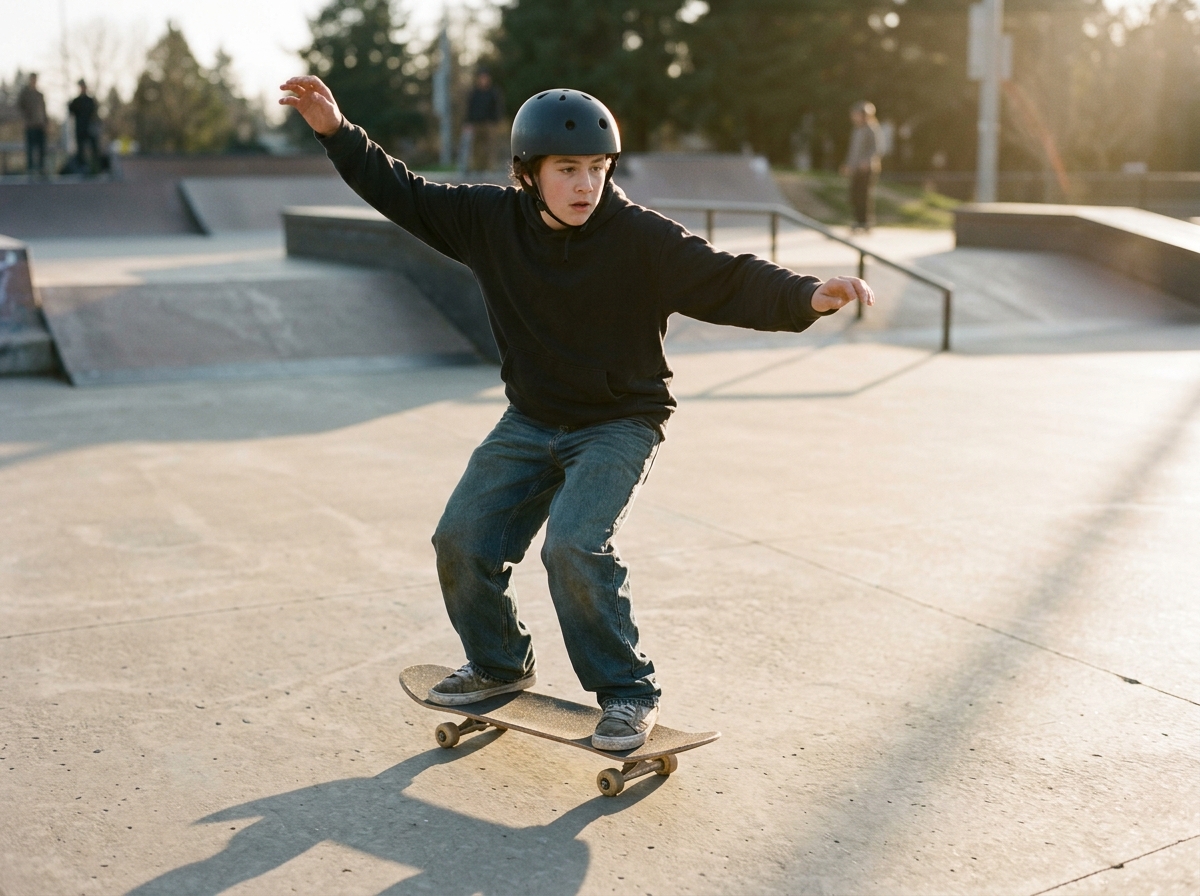
Start by asking what protective equipment is required. Helmets should be essential for beginners, while knee pads, elbow pads, and wrist guards provide additional protection.
The practice environment matters too. An instructor should select an appropriate location based on the student’s experience and explain how to recognize potential hazards.
There should also be clear expectations around supervision, especially when children are involved. Parents can ask about the instructor’s safeguarding procedures, emergency arrangements, and relevant background checks.
Skateboard GB, for example, advises checking whether lesson providers have appropriate safeguarding qualifications and whether their coaches hold recognized training.
Run by skateboarders. For skateboarders.+1
These details help distinguish someone who simply offers skateboarding sessions from someone who approaches instruction as a professional responsibility.
Private Lessons or Group Sessions: Which Works Better?
The best lesson format depends on the student’s personality, experience, and learning objectives.
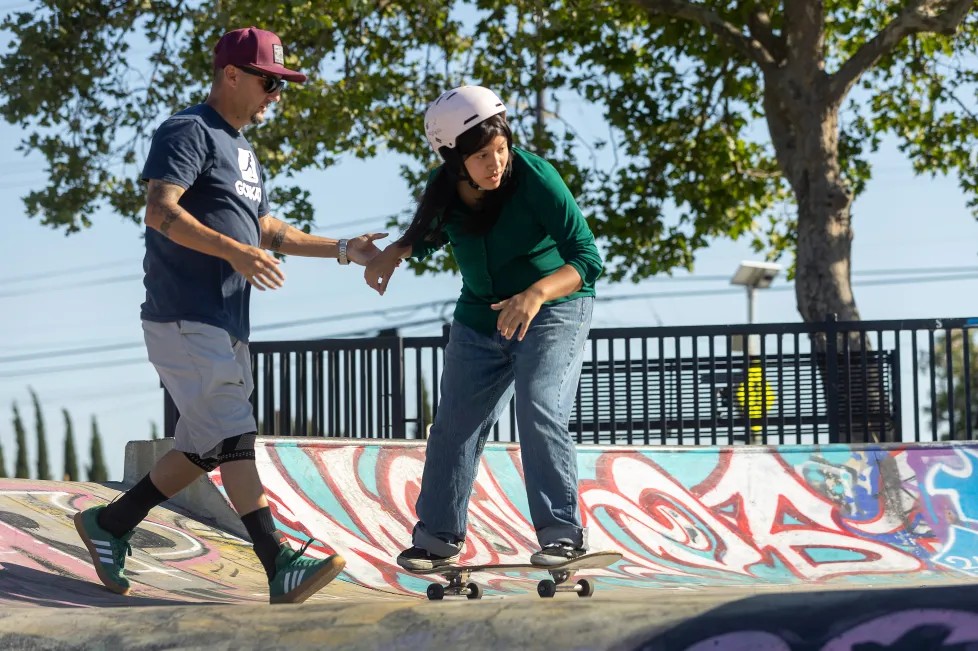
Private instruction offers more individual attention. The instructor can concentrate on one student’s technique, identify specific difficulties, and adjust the session accordingly. This can be particularly helpful for someone who feels nervous about getting on a skateboard for the first time.
Group sessions offer a different experience. Students can observe one another, share challenges, and enjoy learning alongside people with similar interests. They can also make skateboarding feel more social.
However, group size deserves consideration. If too many students are sharing one instructor’s attention, beginners may not receive enough individual feedback.
Before booking, ask how many students participate in each session and whether beginners are grouped according to their abilities.
Neither format is automatically better. The important thing is making sure the student receives enough guidance to practise safely and make meaningful progress.
Communication Matters More Than Impressive Demonstrations
A good instructor should make students feel comfortable asking questions.
Some beginners learn best by watching a movement demonstrated several times. Others need verbal explanations or individual corrections before understanding what they should change.
An instructor who communicates effectively recognizes these differences and adjusts accordingly.
For example, if a student repeatedly struggles with turning, simply telling them to shift their weight may not be enough. Demonstrating the movement slowly and explaining how the shoulders, hips, and feet work together could make the technique easier to understand.
It is also important that feedback remains constructive. Students should know what they are doing well and what they need to improve without feeling embarrassed about mistakes.
Before booking, consider having a short conversation with the instructor. Their willingness to answer questions can offer an early indication of how they communicate with students.
Check Whether the Instructor Understands Your Goals
Not everyone takes up skateboarding for the same reason.
A child might want to become comfortable riding around the neighborhood, while an adult beginner may be interested in learning basic tricks. Someone with previous experience might want to improve their technique or prepare for skatepark riding.
The right instructor should take these differences into account.
When discussing lessons, explain what the student hopes to achieve and ask how the instructor would approach those goals. Their response should reflect the student’s current ability rather than simply promising quick results.
It can also help to explore a legit skateboard school where students can look into available instruction and find an option that suits their learning needs.
The important consideration is whether the teaching approach matches the student’s objectives, experience, and comfort level.
Pay Attention to How Progress Is Measured
One overlooked aspect of choosing an instructor is understanding how they evaluate improvement.
Skateboarding progress is not always measured by the number of tricks a student can perform. For beginners, being able to maintain balance, push consistently, turn comfortably, and stop safely can represent significant development.
Ask whether the instructor provides feedback at the end of each session and recommends specific skills to practise before the next one.
A good learning approach should also allow room for adjustments. If a student is struggling with one movement, there is little benefit in rushing ahead simply to complete a predetermined lesson plan.
Parents enrolling children should pay particular attention to this. A supportive instructor recognizes individual progress rather than comparing students with one another.
Warning Signs Worth Noticing Before Booking
Sometimes the easiest way to make a good choice is to recognize what should make you reconsider.
Be cautious if an instructor:
- Encourages beginners to attempt advanced tricks before developing basic control.
- Dismisses the importance of helmets and protective equipment.
- Cannot explain their teaching experience or lesson structure.
- Shows little patience when students struggle.
- Makes unrealistic promises about how quickly someone will learn.
- Does not provide clear information about pricing, session length, or lesson arrangements.
It is also worth checking reviews and asking whether previous students have had experience similar to the person taking the lessons.
A few minutes of research and a conversation before booking can help prevent disappointment later.
Finding Someone Who Makes You Want to Keep Learning
The relationship between an instructor and a student can influence how enjoyable the entire learning experience becomes. Beginners need someone who understands that confidence develops gradually and that every rider has different strengths and challenges.
A good instructor provides direction without making lessons feel overly demanding. They recognize when a student is ready for something new and when it is better to spend more time practising familiar movements.
Ultimately, the right choice is not necessarily the instructor who performs the most impressive tricks or offers the cheapest sessions. It is someone who combines skateboarding knowledge with patience, communication, responsible teaching, and a genuine interest in helping others improve.
Taking the time to evaluate these qualities can make the first lesson more worthwhile and give beginners a better reason to keep coming back to their boards.