There is a particular excitement that comes with getting a first skateboard. You imagine cruising down the pavement, learning your first trick, and eventually feeling as comfortable on four wheels as you do walking. But the first few sessions often look quite different. The board feels unstable, pushing takes more effort than expected, and even a simple turn can require several attempts.
For many beginners, the challenge is not a lack of enthusiasm. It is figuring out which habits are helping them improve and which ones are making skateboarding harder than it needs to be. Small technique problems can affect balance, control, and confidence, especially when they become part of a rider’s regular routine.
The good news is that most early mistakes are easy to recognize and correct. Understanding them can make practice more productive and help new skateboarders enjoy the learning process.
The Rush to Learn Tricks Can Get in the Way
One of the most common beginner habits is treating tricks as the starting point rather than something to work toward. After watching a few skateboarding videos, new riders often want to attempt an ollie immediately. It is an understandable goal, but an ollie involves timing, foot coordination, and control that are difficult to develop without basic riding experience.
Before attempting tricks, beginners should become comfortable pushing, maintaining a steady stance, turning, and stopping. These movements might not look as impressive as a kickflip, but they form the foundation for almost everything that follows.
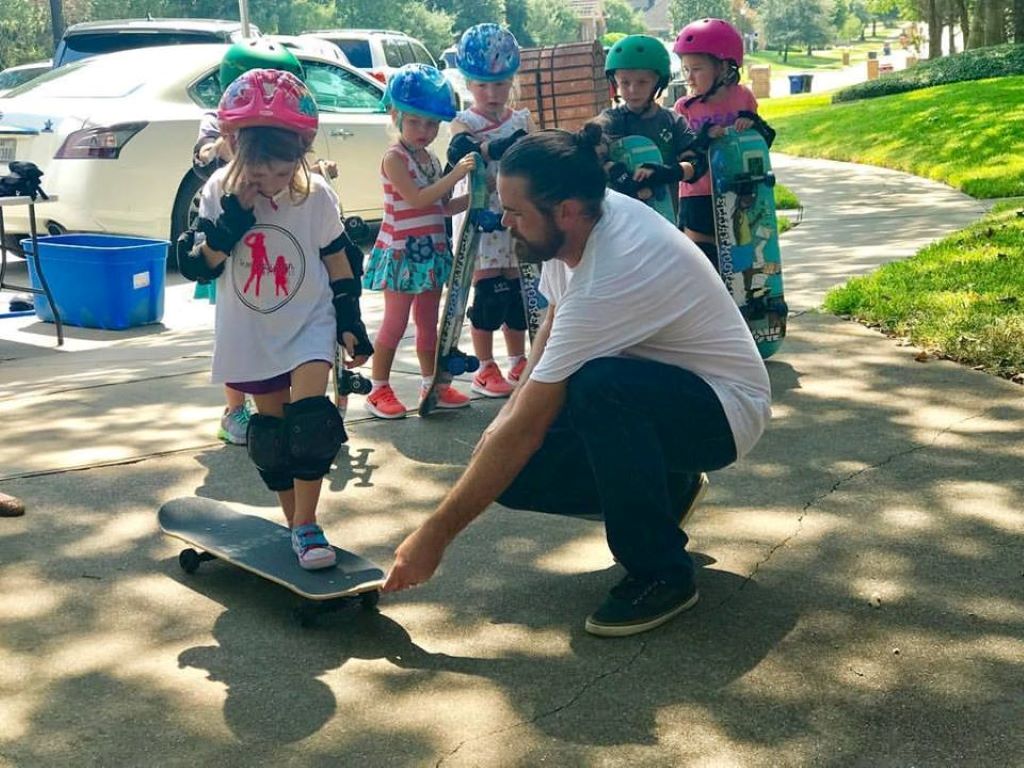
A useful way to approach early practice is to set small goals. Spend one session working on balance, another improving pushing technique, and another practising controlled turns. Riders who want more direction can start with proper foundation through beginner-focused instruction that introduces essential techniques before progressing to more demanding skills.
The objective is not to delay learning tricks indefinitely. It is to make sure the basic movements are reliable enough to support them.
Your Body Position Matters More Than You Think
A skateboard responds to subtle changes in weight distribution. Beginners who stand too rigidly often find that the board feels unpredictable, particularly when moving over slightly uneven surfaces.
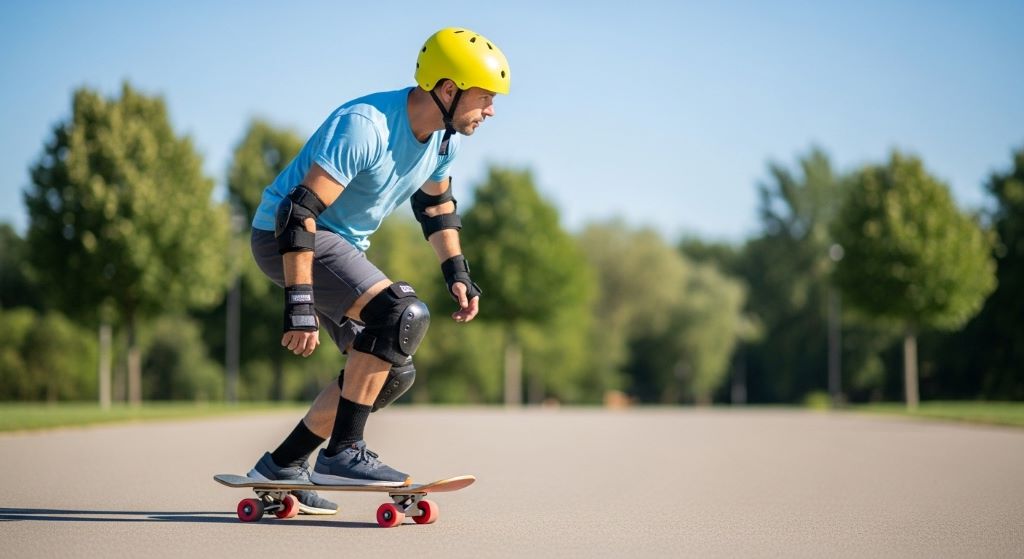
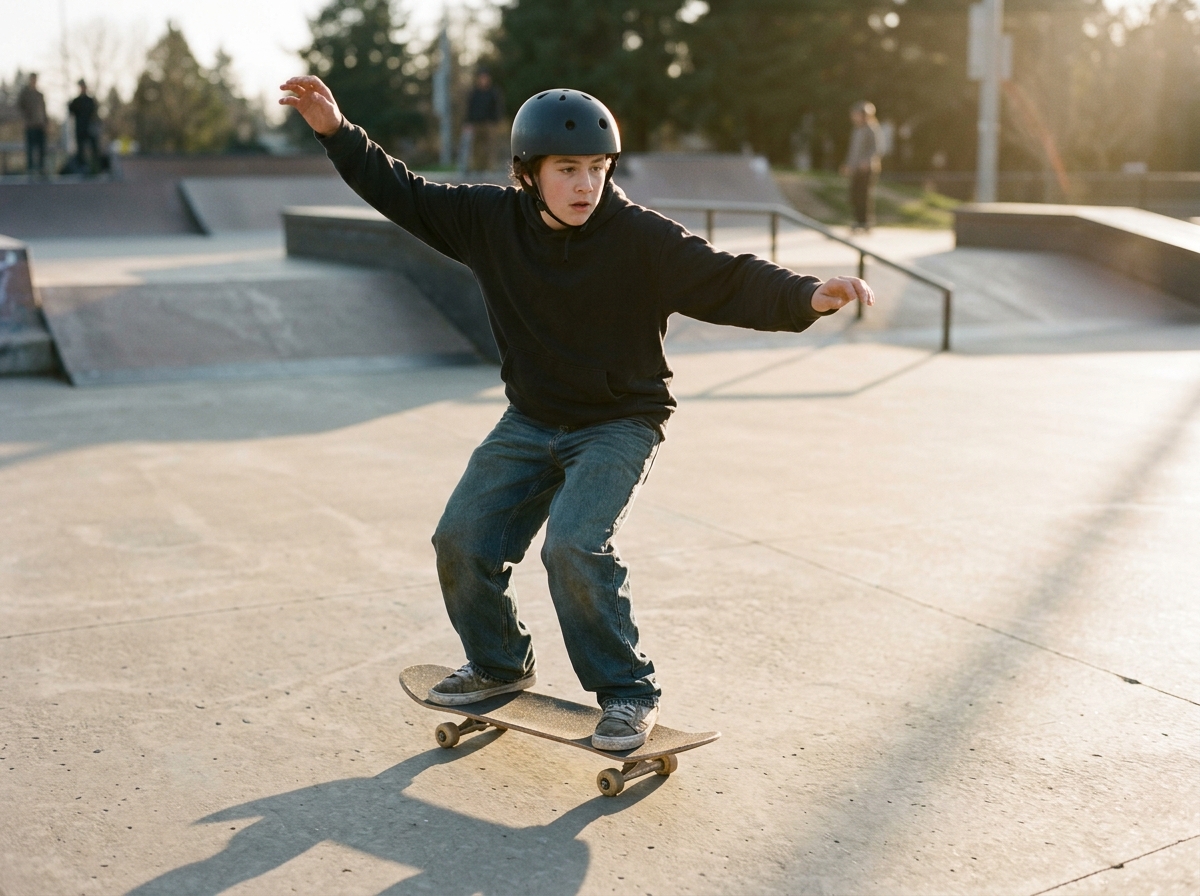
Keeping the knees slightly bent allows the body to adjust naturally. Shoulders should remain relaxed, and the rider should avoid leaning too far forward or backward. These adjustments help maintain stability while making it easier to respond to changes in direction.
Foot placement deserves similar attention. Placing the feet too close together or at awkward angles can make the board harder to control. The front foot generally rests near the front bolts, while the back foot sits toward the tail. The exact position changes depending on the movement being performed.
It is also worth discovering whether a regular or goofy stance feels more natural. Regular riders lead with their left foot, while goofy riders lead with their right. Neither position is better; comfort and control matter more than following someone else’s preference.
Looking at Your Feet Instead of Where You’re Going
When learning something unfamiliar, concentrating on the equipment is almost instinctive. New skateboarders frequently look down to check their foot placement, watch the wheels, or monitor every movement of the board.
The problem is that skateboarding requires awareness beyond the deck. Looking down constantly makes it harder to notice approaching obstacles, other riders, pedestrians, or changes in the surface.
Try focusing on the direction of travel instead. Looking ahead helps the body respond more naturally and gives the rider more time to anticipate what is happening around them.
This is particularly important when practising in shared spaces. Being aware of other people and understanding how much room is available can prevent uncomfortable situations and help beginners develop better riding habits.
Speed Is Not a Substitute for Control
Some beginners believe that gaining speed will make balancing easier. While momentum can help a skateboard roll smoothly, travelling faster before developing proper control creates unnecessary difficulties.
Pushing too forcefully is another related problem. A beginner might take several hurried steps, struggle to return the pushing foot to the board, or shift too much weight onto the back leg.
A better approach is to begin with gentle pushes on a smooth, open surface. Concentrate on returning the pushing foot to the deck comfortably and distributing weight evenly. Once this movement becomes consistent, gradually increase speed.
Stopping deserves just as much attention. Foot braking is a useful beginner technique that involves gently bringing the back foot into contact with the ground while maintaining control with the front foot. It should be practised slowly before being used in more demanding situations.
Learning how to slow down and stop is not an optional extra. It is part of becoming a capable skateboarder.
The Skate Spot Can Make Learning Easier or Harder
Not every stretch of pavement is suitable for a beginner. Cracked concrete, loose stones, wet surfaces, and uneven paths can make even basic riding difficult.
A smooth, flat area with plenty of open space is a much better starting point. Beginners should look for designated practice areas or quiet locations where they can concentrate without worrying about traffic or interfering with other people.
The environment also influences what a rider learns. A crowded skatepark may offer plenty of inspiration, but it can be overwhelming for someone who is still figuring out how to push. Watching experienced riders is useful, yet beginners should avoid entering busy sections before understanding skatepark etiquette and basic control.
Checking the surface before each session is another habit worth developing. Small pieces of gravel, water, and unexpected obstacles can affect the movement of the wheels.
Protective Gear Should Never Be an Afterthought
A common misconception is that protective equipment is mainly for people attempting ramps or complicated tricks. In reality, beginners can lose balance during the simplest movements.
A properly fitted helmet should be the starting point. Knee pads, elbow pads, and wrist guards provide additional protection and are particularly useful while learning how to ride and fall safely.
Shoes also deserve consideration. Flat-soled footwear with good grip provides better contact with the skateboard than shoes with slippery or uneven soles.
Beyond equipment, beginners should understand how to respond when they lose balance. Practising safe falling techniques under appropriate guidance and avoiding attempts to catch a moving skateboard with the hands can help develop better awareness.
Building these habits early makes safety a natural part of skateboarding rather than something riders think about only when attempting difficult tricks.
Why Repeating the Same Mistake Can Become a Habit
Repetition is essential in skateboarding, but repeating a movement incorrectly does not automatically make it better. A rider who consistently places their feet incorrectly or turns by shifting their weight in the wrong direction may reinforce those habits through practice.
This is where feedback becomes valuable.
An experienced instructor can observe a rider’s technique and identify adjustments that might not be obvious to the beginner. Even a small correction in posture, foot placement, or timing can make a movement easier to understand.
Independent practice still has an important role. Online demonstrations, watching other skateboarders, and experimenting with different techniques can all support learning. However, combining these resources with practical feedback can make the process more focused.
It is also important to avoid practising until exhaustion. Tired riders may lose concentration and become less consistent. Shorter sessions with clear objectives often provide a better opportunity to work on specific skills.
Give Progress Time to Develop
Perhaps the biggest mistake beginners make is expecting improvement to happen on a fixed schedule. One person might learn to push confidently within a few sessions, while another needs considerably more time to feel comfortable.
Comparing progress with experienced skateboarders can make the learning process unnecessarily frustrating. Everyone begins with different levels of coordination, confidence, and physical experience.
Instead of focusing on how quickly someone else learns a trick, pay attention to individual improvements. Riding a little farther without losing balance, making a smoother turn, or stopping with greater control are all meaningful achievements.
Keeping a simple record of skills that feel easier from one week to the next can also help beginners recognize progress that might otherwise go unnoticed.
A Better Start Makes the Whole Experience More Enjoyable
Skateboarding involves plenty of trial and error, and making mistakes is part of what makes learning the sport rewarding. However, rushing through the fundamentals, ignoring safety, and practising without paying attention to technique can make the early stages more difficult than necessary.
Good habits develop through patience, observation, and consistent practice. When beginners understand their stance, control their speed, choose suitable places to ride, and give themselves time to improve, they create a much stronger starting point.
The first goal does not need to be an impressive trick. It can simply be feeling comfortable on the board. Once that confidence develops, there will be plenty of opportunities to explore new movements, different skate spots, and the many styles that make skateboarding such an engaging sport.