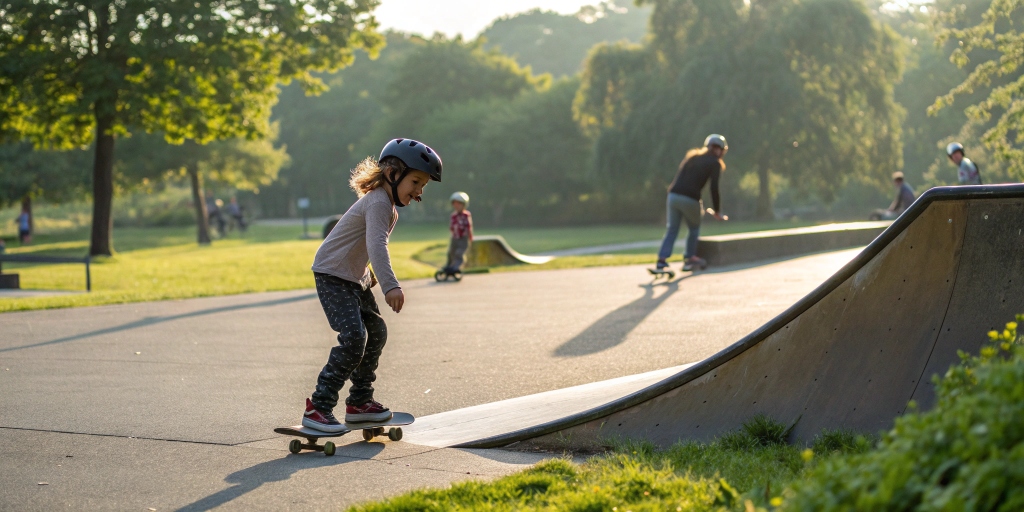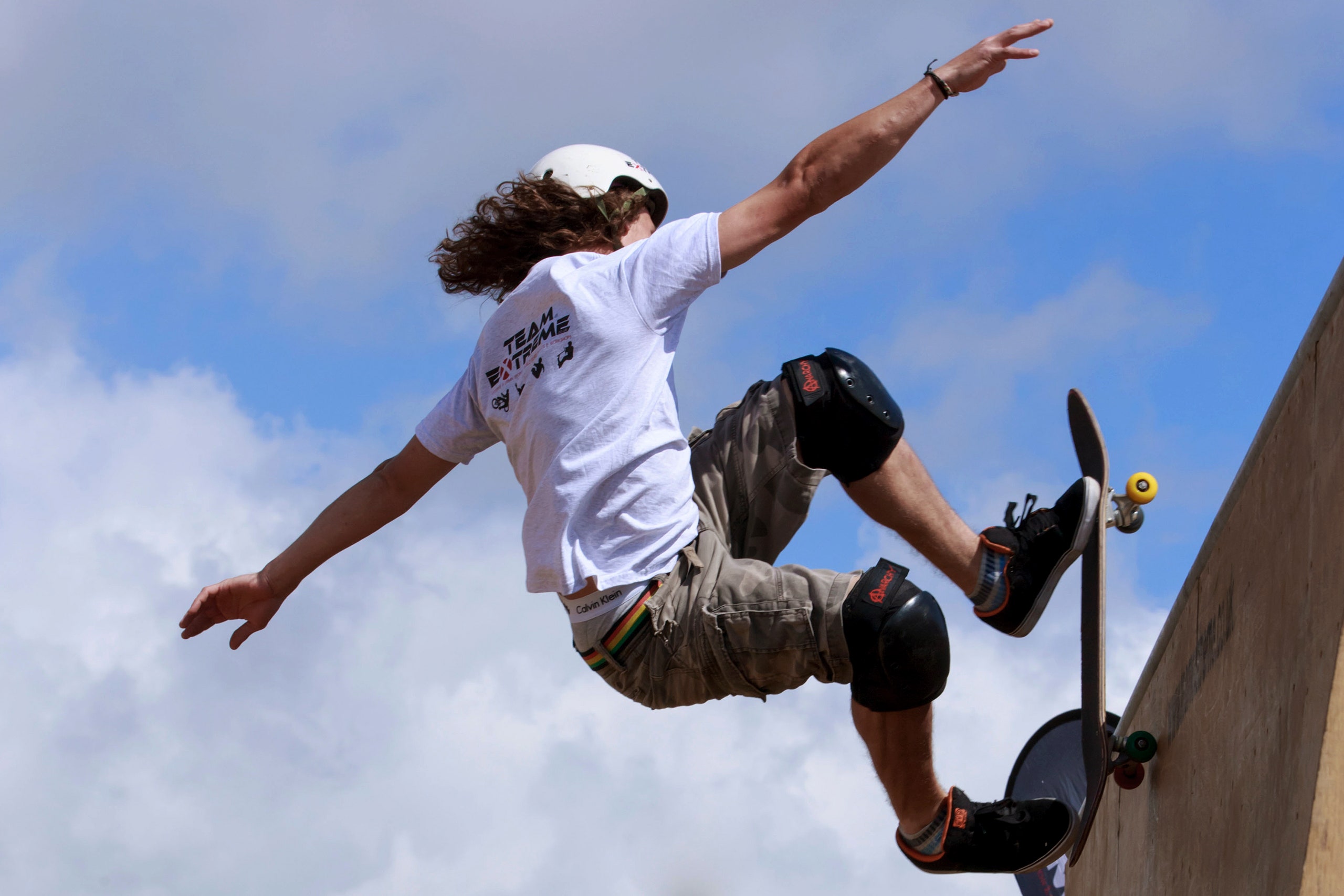
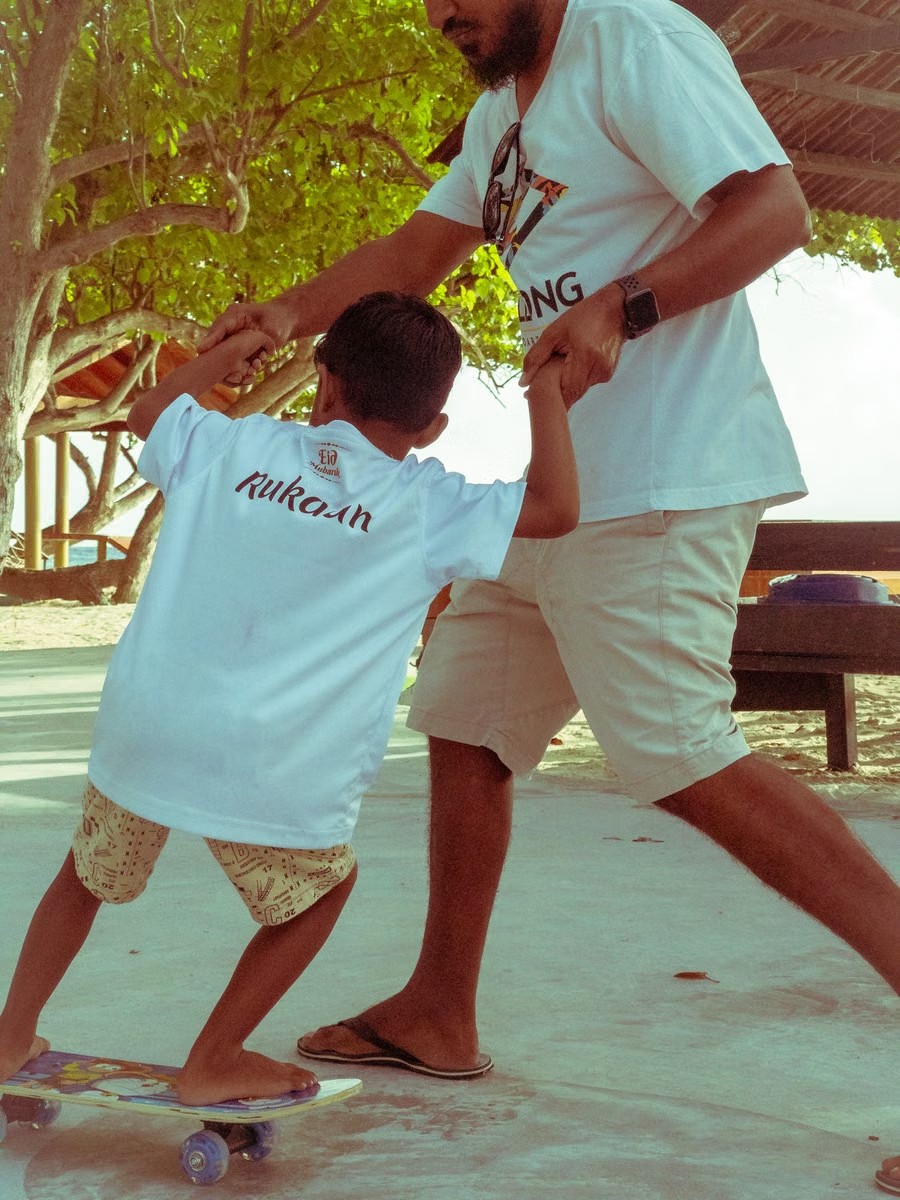
A child asking for their first skateboard can bring up two very different reactions for parents. There is excitement about finding a new outdoor activity, but also concern about falls, injuries, and whether the child will know what to do once they step onto the board.
Those concerns are understandable. Skateboarding requires balance, coordination, awareness, and a willingness to keep trying after unsuccessful attempts. For children, the experience can be both exciting and unfamiliar.
The best way to introduce the sport is not to begin with tricks or complicated equipment. It is to create an environment where children can explore the board, understand basic safety, and become comfortable at their own pace. Parents play an important role in making that first experience positive, even if they have never skateboarded themselves.
The First Decision Isn’t About Tricks. It’s About Readiness.
Before choosing a skateboard, consider whether the child is genuinely interested in learning. Has the interest come from watching friends at a skatepark, seeing skateboarders online, or simply wanting a new outdoor hobby?
The reason matters because it gives parents an idea of what the child expects from the activity.
A child fascinated by tricks might need help understanding that learning to ride comes first. Someone interested in cruising around may be perfectly happy developing basic balance and steering skills without rushing toward advanced movements.
Age alone should not determine readiness. Comfort with physical activity, attention, coordination, and willingness to follow safety instructions are also worth considering.
Parents can introduce the idea through short visits to a local skatepark. Watching different riders helps children understand that skateboarding includes several styles and that everyone develops skills at a different pace.
What Makes a Beginner’s Setup Actually Suitable?
Buying a skateboard can be surprisingly confusing. Different deck widths, wheel sizes, truck designs, and materials can make it difficult to know what a child really needs.
The most important consideration is whether the board is appropriate for the child’s size and intended use. A board that feels too large or difficult to control may make early practice unnecessarily frustrating.
Rather than choosing a skateboard based only on its graphics or popularity, pay attention to the following:
- Deck dimensions: The width should be comfortable for the child’s feet and overall build.
- Wheel characteristics: Softer wheels can provide a smoother ride on many rough outdoor surfaces, while harder wheels are commonly used for skatepark and street skating.
- Truck adjustment: The trucks should allow controlled turning without feeling excessively loose.
- Construction: Choose a well-built board with secure hardware and components that can withstand regular use.
Parents should also check the skateboard periodically. Loose bolts, damaged wheels, and worn components can affect how the board performs.
A beginner does not need a professional-level setup. A dependable skateboard that feels manageable is a much better starting point.
Build a Safety Routine Before Building Speed
Children often associate skateboarding with movement and excitement, so safety instructions can sometimes feel like an interruption. Parents can make a difference by introducing protective equipment as a normal part of getting ready.
A properly fitted helmet is essential. It should sit level, cover the forehead, and remain secure when the child moves their head. Knee pads, elbow pads, and wrist guards provide additional protection during practice.
However, equipment is only one part of the picture. Children also need to understand where and when it is appropriate to ride.
A quiet, smooth, flat area is generally more suitable for early practice than a crowded sidewalk or busy skatepark. Parents should check the surface for loose stones, cracks, water, and other obstacles before allowing a child to ride.
It is also useful to establish a few simple rules: no skating near moving vehicles, no riding through crowded pedestrian areas, and no attempting unfamiliar tricks without appropriate supervision.
These boundaries do not have to make skateboarding feel restrictive. They give children a clearer understanding of how to enjoy the activity responsibly.
The First Few Sessions Should Feel Almost Boring
There is a tendency to measure skateboarding progress by visible achievements. A child learning an ollie seems more exciting than one spending twenty minutes practising how to stand comfortably on a board.
But those quieter sessions are often where the most important learning happens.
Start with the skateboard stationary. Let the child explore foot placement and discover which stance feels natural. Regular riders lead with the left foot, while goofy riders lead with the right.
Once standing feels comfortable, introduce gentle pushing on a flat surface. Children can practise moving a short distance, returning their pushing foot to the board, and stepping off safely.
Turning and stopping should come next. These skills help children understand how to control movement rather than simply travel forward.
Parents should resist the temptation to introduce everything in one session. A child who becomes comfortable with one movement has achieved something worthwhile, even if the session does not include a single trick.
When Is It Time to Bring in an Instructor?
There is a difference between encouraging a child and knowing how to teach a physical skill. Parents can provide reassurance, check protective equipment, and create opportunities to practise, but they may not always recognize problems with technique.
For example, a child might repeatedly struggle with balance because of incorrect foot positioning. Another may understand how to push but have difficulty bringing the back foot onto the deck. Repeating these movements without feedback can lead to frustration.
This is where learning with an experienced skateboarding instructor can be particularly useful.
An instructor can break techniques into manageable steps, demonstrate appropriate body positioning, and adjust the learning process to suit a child’s ability. Rather than expecting every beginner to follow the same timeline, good instruction takes individual confidence and coordination into account.
Parents should look for lessons that prioritize foundational riding skills and safety instead of promising quick results or advanced tricks.
Professional instruction can also give children a different learning environment. They get to practise with someone who understands the sport while parents remain involved as supporters.
The Emotional Side of Learning Is Easy to Overlook
A child who falls during the first session might become nervous about trying again. Another might feel discouraged after watching a friend progress more quickly.
These reactions are just as important to address as physical technique.
Parents should avoid treating every unsuccessful attempt as something that needs immediate correction. Sometimes children simply need a moment to regain confidence.
A useful approach is to recognize the effort behind each attempt. Instead of asking why a child cannot complete a movement, acknowledge what improved and encourage another try when they feel ready.
It also helps to avoid comparisons with older skateboarders. Children see impressive tricks online and at skateparks, but those performances often represent years of practice.
The early stages should be about personal progress, not keeping up with someone else’s abilities.
Turning Skateboarding Into a Regular Part of Family Life
One of the easiest ways to keep children interested is to make skateboarding an enjoyable part of their routine rather than a demanding scheduled activity.
Parents can explore different skateparks, visit suitable outdoor recreation areas, or arrange practice sessions with friends who are also learning. These experiences introduce a social element that can make the sport more appealing.
There is no need to make every outing a training session. Some days can be devoted to practising a particular skill, while others can simply involve spending time outdoors and enjoying the activity.
As children improve, they can begin taking more responsibility for checking their equipment, preparing their protective gear, and deciding which skills they want to work on next.
This gradual independence is an important part of the experience. Children learn not only how to ride but also how to make sensible decisions about their own activities.
A Good Start Is More Valuable Than a Fast Start
Parents do not need to eliminate every challenge from a child’s skateboarding journey. Learning to balance, understanding movement, and becoming comfortable with the possibility of falling are all part of developing a new physical skill.
What matters is making sure children have appropriate equipment, suitable places to practise, clear safety expectations, and encouragement that matches their needs.
There will be sessions when progress feels slow and others when a child suddenly masters something that seemed difficult before. Both are normal.
Rather than focusing on how quickly children can perform tricks, parents should pay attention to whether they are becoming more confident, more aware of their surroundings, and more comfortable controlling the board.
That is what makes a positive introduction to skateboarding. The tricks and personal style can come later; first, children need the confidence and skills to enjoy the ride.