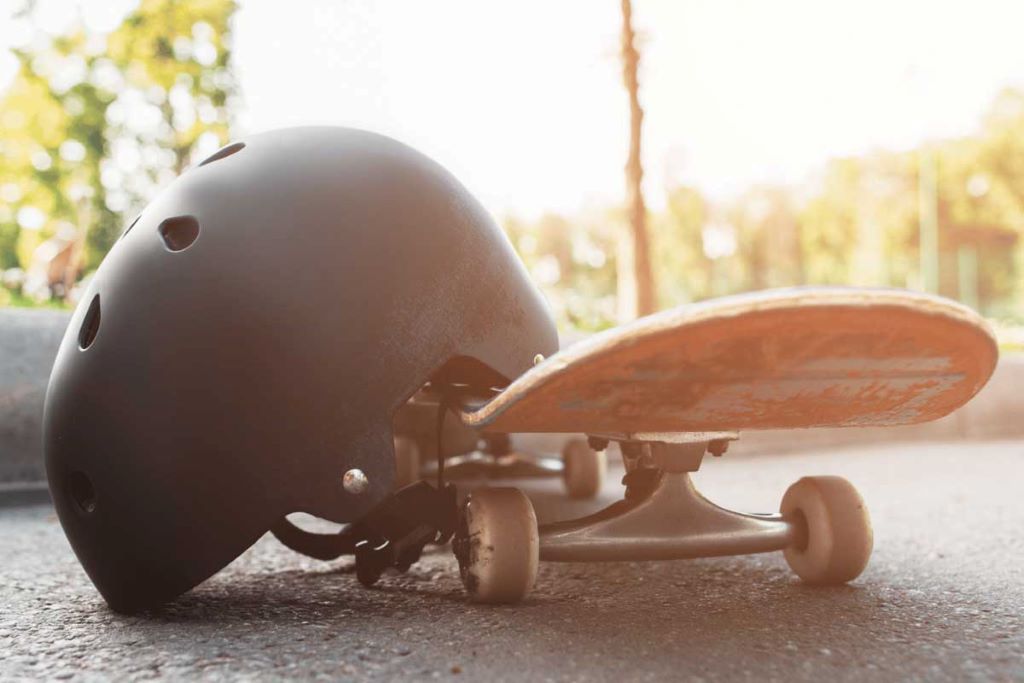
Skateboarding is more than just a sport—it’s a way of life. Whether you’re cruising through the park, practicing tricks at the local skate spot, or commuting on your board, safety should always come first. One of the most important pieces of protective gear you can invest in is a high-quality skateboard helmet.
With thousands of skateboard-related head injuries treated in emergency rooms each year, wearing a helmet isn’t just a good idea—it’s a necessity. In fact, studies show that helmet use reduces the risk of head injury by up to 85%. But not all helmets are created equal. Choosing the best skateboard helmet adult means understanding what features to look for, which certifications matter, and how to ensure a perfect fit.
Introduction: Why a Skateboard Helmet Is Non-Negotiable
Skateboarding is thrilling, but it comes with risks. Head injuries are among the most serious, accounting for a significant portion of skateboarding-related ER visits. According to recent data, about 70,000 skateboarders are treated for injuries annually in the U.S., with head trauma being a leading cause of severe outcomes.
A good skateboard helmet is designed to absorb impact, protect your skull, and reduce the risk of traumatic brain injury. Unlike bike helmets, skateboard helmets are built to withstand multiple impacts and are specifically tested for the types of falls common in skateboarding. This makes them a must-have for both beginners and experienced riders.
Key Features to Look for in a Skateboard Helmet
Safety Certifications
The first thing to check is whether the helmet meets recognized safety standards. Look for these certifications:
- ASTM F1492: The gold standard for skateboard helmets. This certification ensures the helmet can handle multiple impacts, which is crucial for skateboarding.
- CPSC (Consumer Product Safety Commission): Required for bike helmets in the U.S., but not all CPSC-certified helmets are suitable for skateboarding. For maximum safety, choose a helmet that is dual-certified (ASTM F1492 and CPSC).
- CE EN 1078: A European standard that also indicates high-quality impact protection.
Tip: Always look for the certification sticker inside the helmet. If it’s not there, the helmet may not meet safety standards.
Construction and Materials
A high-quality skateboard helmet should have:
- Hard Outer Shell: Typically made from ABS plastic or polycarbonate, this layer protects against sharp impacts and abrasions.
- EPS Foam Liner: Expanded polystyrene (EPS) foam absorbs shock and disperses impact energy. Some helmets use multi-density foam for even better protection.
- MIPS (Multi-Directional Impact Protection System): This technology allows the helmet to rotate slightly upon impact, reducing the risk of brain injury from angled blows. MIPS helmets are becoming the new standard for safety.
Personal Experience: I learned the importance of a good helmet the hard way. During my first year of skateboarding, I wore a cheap, non-certified helmet that cracked on my first major fall. After upgrading to a dual-certified Pro-Tec helmet with MIPS, I’ve taken several hard slams without injury—proof that investing in quality gear pays off.
How to Find the Perfect Fit
Measure Your Head
A helmet only works if it fits properly. To find your size:
- Use a soft measuring tape to measure the circumference of your head, just above your eyebrows.
- Compare your measurement to the manufacturer’s size chart. Most adult helmets range from 54–62 cm.
Adjust for Comfort and Security
- Snug but Not Tight: The helmet should sit level on your head, covering your forehead without tilting back.
- Adjustable Straps: Ensure the chin strap is snug but comfortable. You should be able to fit one finger between the strap and your chin.
- Padding: Look for helmets with removable, washable padding for both comfort and hygiene.
Tip: Try the helmet on before buying, if possible. Shake your head gently—if the helmet shifts or feels loose, it’s not the right fit.
Types of Skateboard Helmets for Adults
Full-Cut Helmets
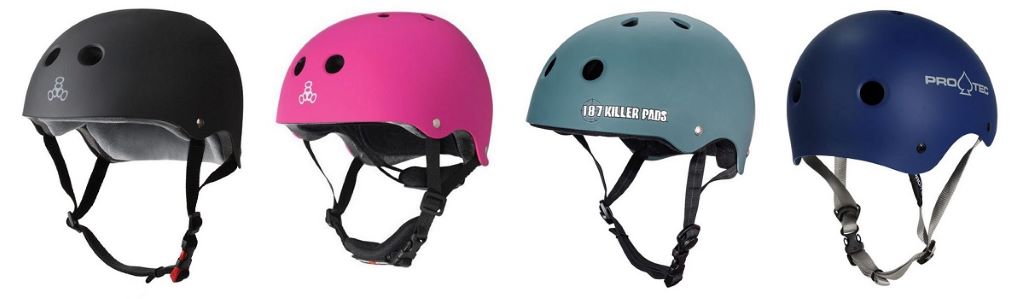
Full-cut helmets cover the back of your head and ears, offering maximum protection. They’re ideal for vert skating, downhill, and aggressive street skating. Brands like Triple 8 and Pro-Tec are popular for their durability and full coverage.
Half-Shell Helmets
Half-shell helmets are lighter and more breathable, making them a great choice for casual cruising and street skating. They don’t cover the ears but still provide excellent impact protection. Look for models with ample ventilation to keep you cool.
Multi-Sport Helmets
Some helmets are designed for multiple activities, including skateboarding, cycling, and rollerblading. While versatile, make sure they meet ASTM F1492 standards for skateboarding. Bern and Thousand are known for their stylish, multi-sport options.
Top Skateboard Helmet Brands for Adults in 2026
Triple 8
Triple 8 is a trusted name in skateboarding safety. Their Dual Certified helmet meets both ASTM and CPSC standards and features a comfortable, customizable fit. It’s a favorite among street and park skaters for its balance of protection and style.
Pro-Tec
Pro-Tec has been making skateboard helmets since the 1970s. Their Classic Certified helmet is a staple in skate parks worldwide, known for its durability and full-coverage design. It’s a top pick for vert and bowl skaters.
S1 Lifer
The S1 Lifer is popular among pros for its low-profile design and superior protection. It’s available in a range of sizes and colors, making it easy to find a helmet that fits your style and needs.
Bern
Bern helmets are stylish and versatile, with options for both summer and winter use. Their Watts EPS helmet is a great choice for adults who want a sleek look without sacrificing safety.
Common Mistakes to Avoid When Buying a Skateboard Helmet
- Choosing Style Over Safety: A helmet might look cool, but if it’s not certified, it won’t protect you.
- Buying Used Helmets: Helmets are designed for single-impact use. A used helmet may have hidden damage that compromises its safety.
- Ignoring Fit: A loose or uncomfortable helmet won’t provide adequate protection. Always prioritize fit over brand or price.
- Assuming All Helmets Are the Same: Bike helmets, for example, are not tested for the multiple impacts common in skateboarding. Always choose a helmet specifically designed for skateboarding.
FAQs About Skateboard Helmets for Adults
What’s the difference between a skateboard helmet and a bike helmet?
Skateboard helmets are designed to withstand multiple impacts and cover more of the back of the head. Bike helmets are built for single, high-impact crashes and may not offer the same protection for skateboarding falls.
How often should I replace my skateboard helmet?
Replace your helmet after any significant impact, even if there’s no visible damage. Over time, the materials degrade, so it’s also a good idea to replace your helmet every 3–5 years, depending on use.
Are MIPS helmets worth the extra cost?
Yes. MIPS technology significantly reduces the risk of brain injury from angled impacts, which are common in skateboarding. The extra cost is a small price to pay for added safety.
Can I use a skateboard helmet for other sports?
Some skateboard helmets are multi-sport certified, but always check the manufacturer’s recommendations. For example, a dual-certified helmet (ASTM and CPSC) is safe for both skateboarding and cycling.
What should I do if my helmet doesn’t fit properly?
If your helmet feels loose or uncomfortable, try adjusting the straps and padding. If it still doesn’t fit, consider exchanging it for a different size or model. A proper fit is essential for maximum protection.
Conclusion: Protect Your Head, Ride with Confidence
Choosing the best skateboard helmet for adults is about more than just picking a color or brand—it’s about ensuring maximum safety, comfort, and durability. By focusing on certifications, fit, and construction, you can find a helmet that protects you without compromising on style or performance.
Call to Action: Do you have a favorite skateboard helmet? Share your recommendations or experiences in the comments below! And if you found this guide helpful, don’t forget to share it with your fellow skaters.