Skateboarding is more than just a sport—it’s a culture, a lifestyle, and a fantastic way to express yourself. Whether you’re a beginner eager to learn your first ollie or an advanced rider looking to upgrade your setup, choosing the right skateboard is crucial. With the global skateboard market projected to reach over $4.34 billion by 2033, there’s never been a better time to dive in.
But with so many options, how do you pick the best one? This guide will help you understand what to look for in complete skateboards for every skill level, so you can ride with confidence and style.
Introduction: Why the Right Skateboard Matters
Skateboarding is booming, with street boards alone expected to reach $323.6 million in sales by 2025. The right skateboard can make learning easier, improve your performance, and even prevent injuries. On the other hand, a poorly chosen board can slow your progress and frustrate your experience.
For beginners, a good complete skateboard offers stability, durability, and ease of use. For advanced riders, it’s about precision, responsiveness, and the ability to handle tricks and high-speed rides. No matter your level, understanding the parts and features of a skateboard is the first step to making the right choice.
Understanding Skateboard Parts: What Makes a Complete Skateboard?
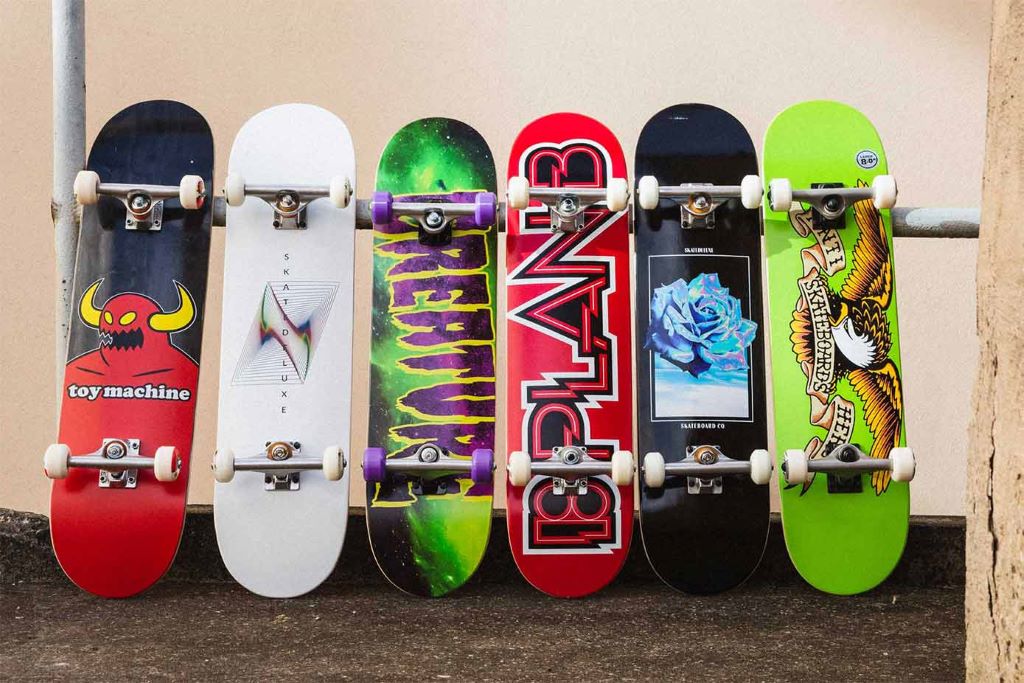
A complete skateboard is made up of several key parts:
- Deck: The wooden platform where you stand. Most decks are 7–8.5 inches wide and made from 7-ply Canadian maple for durability.
- Trucks: The metal axles that attach the wheels to the deck. They affect turning and stability.
- Wheels: Typically made of polyurethane, wheels vary in size and hardness. Softer wheels (78A–87A) are great for cruising, while harder wheels (95A–101A) are better for tricks.
- Bearings: These small metal rings fit inside the wheels and determine how smoothly and fast your board rolls. ABEC-5 or ABEC-7 bearings are ideal for most riders.
- Grip Tape: The sandpaper-like surface on top of the deck for traction.
- Hardware: The bolts and nuts that hold everything together.
Each part plays a role in how your skateboard performs, so it’s important to choose components that match your riding style and skill level.
Choosing the Best Complete Skateboard for Beginners
Deck Size and Shape
For beginners, an 8.0-inch deck is the most popular choice. It offers a good balance of stability and control, making it easier to learn basic tricks and maintain balance. Smaller riders (under 5’3”) may prefer a 7.75-inch deck, while taller riders (over 5’8”) might opt for an 8.25-inch deck.
- Tip: Look for a medium concave (the curve of the deck) for comfort and better foot placement.
Trucks and Wheels
Beginners should start with standard aluminum trucks and medium-sized wheels (52–54mm). Softer wheels (87A–95A) provide a smoother ride, which is ideal for learning on rough surfaces. ABEC-5 bearings are more than enough for casual riding and offer a good balance of speed and durability.
- Tip: Avoid cheap plastic trucks—they can break easily and make learning harder.
Complete Skateboards vs. Custom Builds
For beginners, buying a complete skateboard is the best option. These boards come fully assembled and ready to ride, saving you the hassle of picking individual parts. Most completes in the $70–$120 range offer solid maple decks and reliable components, perfect for early progression.
Personal Experience: When I first started skateboarding, I bought a cheap complete from a toy store. It lasted less than a month before the trucks bent and the wheels fell off. Investing in a quality complete from a reputable brand made all the difference—it was more stable, durable, and much easier to learn on.
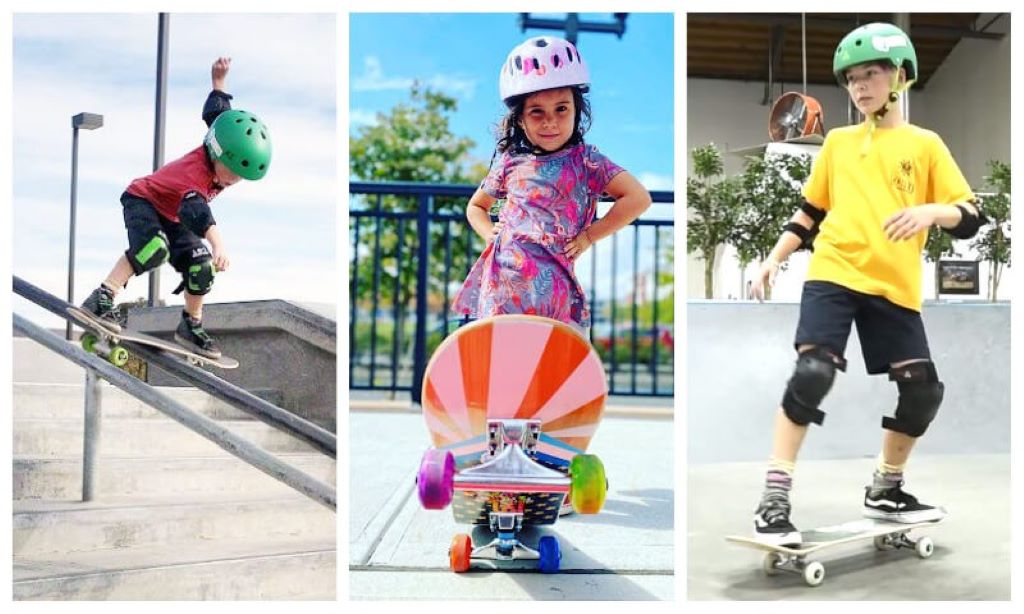
Selecting the Right Complete Skateboard for Advanced Riders
Deck Material and Construction
Advanced riders often prefer decks made from high-quality Canadian maple or composite materials like carbon fiber. These decks are lighter, stronger, and offer better pop for tricks. Look for decks with a steep concave for better control during flips and grinds.
- Tip: If you’re into street skating, a shorter deck (29–31 inches) is more maneuverable for tricks.
Trucks and Wheels for Performance
Advanced riders need trucks that match their style. For street skating, low or mid trucks are best for stability during tricks. For downhill or cruising, high trucks provide better turning and shock absorption. Wheel hardness is also important: harder wheels (95A–101A) are ideal for skate parks, while softer wheels (78A–87A) are better for rough streets.
- Tip: Upgrade to precision bearings (ABEC-7 or higher) for smoother, faster rides.
Customization and Upgrades
Many advanced riders prefer to build custom setups, mixing and matching decks, trucks, wheels, and bearings. This allows for fine-tuning based on personal preference and riding style. Brands like Santa Cruz, Plan B, and Element offer high-performance completes and customizable options.
Personal Experience: As I progressed, I started customizing my board. Swapping out trucks and wheels for higher-quality parts improved my control and made landing tricks much easier. It’s worth investing in upgrades as your skills grow.
Safety Tips for All Riders
No matter your skill level, safety should always come first. Here are some essential tips:
- Wear a Helmet: Head injuries are the most serious risk in skateboarding. Always wear a certified skate helmet.
- Use Protective Gear: Knee pads, elbow pads, and wrist guards can prevent injuries during falls.
- Check Your Board: Regularly inspect your skateboard for loose trucks, cracked decks, or worn-out wheels.
- Ride Within Your Limits: Don’t attempt tricks or speeds you’re not comfortable with. Progress takes time and practice.
FAQs About Complete Skateboards
What size skateboard is best for beginners?
An 8.0-inch deck is ideal for most beginners. It offers a good balance of stability and control, making it easier to learn basic tricks and maintain balance.
Should I buy a complete skateboard or build my own?
Beginners should start with a complete skateboard. They’re affordable, ready to ride, and designed for early progression. Advanced riders may prefer custom builds for better performance and personalization.
What’s the difference between soft and hard skateboard wheels?
Soft wheels (78A–87A) are great for cruising and rough surfaces, offering a smoother ride. Hard wheels (95A–101A) are better for tricks and skate parks, providing more speed and control.
How much should I spend on my first skateboard?
A good beginner complete skateboard typically costs between $70 and $120. This price range ensures quality components and durability for early learning.
Are electric skateboards good for beginners?
Electric skateboards can be fun, but they’re generally not recommended for beginners. They’re heavier, faster, and require more skill to control safely. Stick with a traditional complete skateboard to learn the basics first.
Conclusion: Find Your Perfect Ride
Choosing the right complete skateboard is about matching your skill level, riding style, and personal preferences. For beginners, focus on stability, durability, and ease of use. For advanced riders, prioritize performance, customization, and high-quality components.
Call to Action: Ready to hit the streets? Share your skateboarding journey or ask questions in the comments below! And if you found this guide helpful, don’t forget to share it with fellow riders.