
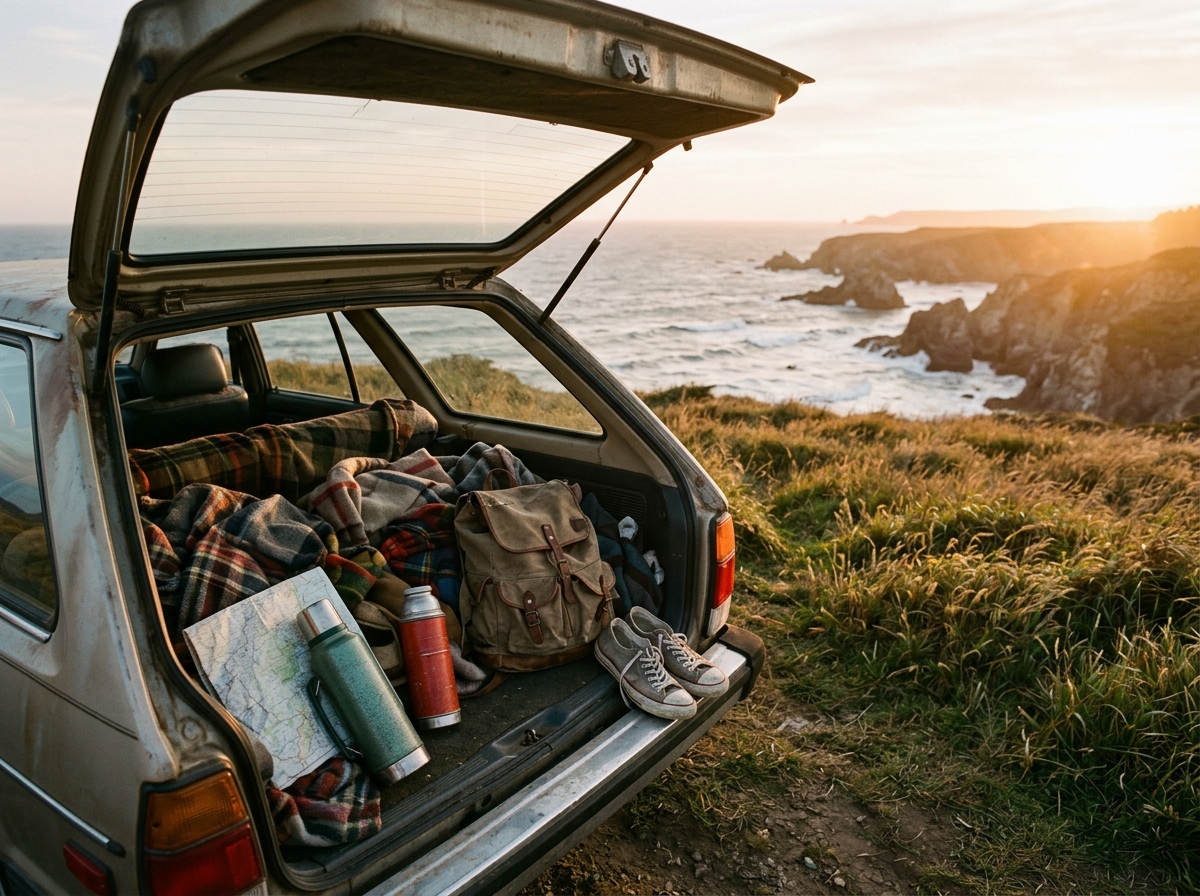
A two-night coastal escape often costs less than a single night in a big-city hotel — if you know where the money actually goes. The trick isn’t skipping the trip; it’s redirecting spending toward the two things that genuinely improve the weekend: time in the water and a place to sleep close enough to walk to it. Surf towns along quieter stretches of coastline tend to be cheaper than resort hubs, and they reward anyone willing to bring their own board instead of renting. If you’re weighing gear costs before you book, a cheap longboard surfboard pays for itself after just a few rental days, which frees up budget for the trip itself. This guide covers how to plan, pack, and spend so the weekend stays affordable without feeling like a compromise.
Quick Answer
The cheapest coastal weekends come from three choices: travel slightly off-season or midweek, stay in a surf hostel, campground, or budget motel a few blocks inland rather than beachfront, and bring your own board and wetsuit to eliminate daily rental fees. A realistic shoestring budget for one person runs about $150–$350 for two nights including fuel, lodging, food, and parking. The single biggest variable is lodging location, not lodging quality.
Key Takeaways
- Lodging is the highest controllable cost — staying 5–10 minutes inland instead of beachfront can cut accommodation spending by nearly half.
- Owning a longboard usually beats renting after roughly three to five rental sessions, making it a strong fit for repeat weekend trips.
- Midweek and shoulder-season travel reduce both lodging prices and crowd pressure at popular breaks.
- Cooking some meals at your accommodation typically saves more than hunting for the cheapest restaurant.
- Parking fees and gear rentals are the two costs most people forget to budget for.
How to Cut Costs Without Ruining the Trip
Budget travel fails when people cut the wrong things. Saving $40 on a motel that’s an hour from the beach usually costs you more in fuel, parking, and lost surf time than you saved. The goal is to cut overhead while protecting the parts of the trip you actually came for.
Lodging: where the real savings live
Beachfront property carries a premium for the view, not the bed. A budget motel or hostel 10 minutes inland is often functionally identical for a surfer who’s up at dawn and back after sunset. Options worth checking, roughly in order of cost:
- Surf hostels and shared dorms — cheapest per night, often include board storage, outdoor showers, and a shared kitchen.
- Campgrounds and state park sites — very low nightly rates, but factor in reservation fees and the gear you’ll need to bring.
- Budget motels inland — private room, reliable parking, usually the best value for two travelers splitting a room.
- Off-season beach rentals — can drop dramatically in price outside peak summer weeks, sometimes below motel rates.
Shared kitchens are the underrated feature here. A hostel with a stove turns a $15 breakfast into a $3 one, and that difference compounds over a weekend.
Gear: rent once or own for the long run
Rental rates for a longboard commonly fall in the $20–$40 per day range depending on location, though prices vary widely by shop and season. Over a two-day trip, that’s meaningful money. If you plan to do this more than a couple of times a year, a used or entry-level longboard usually costs less than a season’s worth of rentals and removes a recurring line item from every future trip.
There’s a practical trade-off: a longboard is bulky, so it only makes sense if you have roof racks or a vehicle that can carry it. Traveling by train, bus, or plane with a longboard adds fees and hassle that can erase the savings. In that case, renting locally is the smarter call.
Timing: the calendar is a discount lever
Peak summer weekends are the most expensive time to visit any coastal town. Shifting your trip to a shoulder season — typically spring or early fall, depending on region — lowers lodging rates and reduces lineup congestion. Midweek stays are usually cheaper still, and many surf towns are noticeably quieter Monday through Thursday. If your schedule allows it, a Tuesday–Thursday trip often costs less than a Saturday–Sunday one for the same accommodation.
What a Realistic Weekend Budget Looks Like
The table below shows typical cost ranges for a solo traveler on a two-night trip. These are general estimates, not quotes — actual prices depend heavily on region, season, and how far you’re driving.
| Expense | Budget Approach | Typical Range |
|---|---|---|
| Lodging (2 nights) | Hostel dorm or campground | $40–$100 |
| Fuel | Drive within 3–4 hours | $30–$70 |
| Food | Cook breakfast and dinner, eat one meal out | $40–$70 |
| Parking | Free street or lot parking | $0–$20 |
| Gear rental (if needed) | One day only, or bring your own | $0–$80 |
| Total | $150–$350 |
The gap between the low and high end is almost entirely explained by lodging and gear. Control those two and the rest tends to fall in line.
Choosing the Right Coastal Town
The town matters as much as the budget. Some coastal destinations are built around tourism and priced accordingly; others are working towns where surfing is just something people do. The second category is where shoestring weekends work best.
Signs a town will be affordable:
- It has a grocery store within walking distance of the surf area rather than only restaurants.
- Lodging listings include hostels or campgrounds, not just hotels and vacation rentals.
- It’s a short drive from a larger, more famous surf town — the spillover crowd keeps prices moderate.
- It has free or low-cost public parking near the beach.
A common mistake is targeting the most famous break in a region. The town next door often has comparable waves, cheaper beds, and shorter lines. Checking a surf forecast for the whole stretch of coast rather than one spot usually reveals options you’d otherwise overlook.
Packing for a Budget Weekend
What you bring determines what you have to buy on arrival, and coastal towns charge a premium for convenience. A basic packing list that prevents most impulse spending:
- Board, leash, and fins — or a confirmed rental reservation
- Wetsuit suited to the water temperature, plus a backup rash guard
- Refillable water bottle and a small cooler or insulated bag
- Breakfast and snack food bought before you leave
- Beach towel, sunscreen, and a basic first-aid kit
- Cash for parking meters and small shops that don’t take cards
Buying groceries at home rather than at a coastal store is a small habit that consistently saves money, especially on drinks and snacks.
Mistakes That Quietly Blow the Budget
Most overspending on these trips isn’t dramatic — it’s a series of small avoidable costs.
- Booking late. Last-minute lodging near the coast is almost always more expensive, especially in summer.
- Paying for parking you didn’t need to. Many towns have free lots a few blocks from the beach.
- Renting gear daily instead of once. If you’ll surf both days, ask about a multi-day rate — shops often offer one.
- Eating every meal out. Three restaurant meals a day adds up faster than any other category.
- Ignoring fuel costs. A trip that’s two hours longer each way can cost more than the lodging you saved on.
None of these require sacrificing enjoyment. They’re just small decisions made in advance instead of at the register.
Frequently Asked Questions
How much should a two-night coastal trip cost?
For one person traveling by car, a realistic shoestring budget is roughly $150–$350 total, covering lodging, fuel, food, and parking. Bringing your own board and staying in a hostel or campground keeps you at the lower end.
Is it cheaper to rent or buy a longboard for weekend trips?
If you surf fewer than three or four times a year, renting is usually cheaper and simpler. If you take regular weekend trips, buying a used or entry-level longboard typically pays for itself within a season and removes rental costs from every future trip.
When is the cheapest time to visit a surf town?
Shoulder seasons — generally spring and early fall — plus midweek travel tend to offer the lowest lodging rates and the smallest crowds. Peak summer weekends are consistently the most expensive.
Do hostels make sense for a surfing weekend?
Often yes. Many surf hostels provide board storage, outdoor rinse stations, and shared kitchens, which cut both gear hassle and food costs. The main trade-off is privacy and noise, so check recent reviews before booking.
What’s the biggest mistake budget travelers make on these trips?
Choosing lodging far inland to save money. The added fuel, parking fees, and lost surf time frequently outweigh the savings. Staying slightly inland — 5 to 10 minutes from the beach — usually offers a better balance.
Can I do a coastal weekend without a car?
It’s possible in towns with walkable surf breaks and train or bus connections, but it limits your options and makes carrying a longboard difficult. In that case, renting gear locally is usually the more practical choice.
Conclusion
A coastal weekend on a tight budget comes down to three decisions: where you sleep, what gear you bring, and when you go. Keep lodging a short drive from the beach rather than on it, bring your own longboard if you’ll return often, and travel midweek or in the shoulder season when prices drop. Protect the parts of the trip that matter — water time, good food, a decent bed — and cut the overhead around them. Plan those three things before you leave, and the rest of the weekend tends to take care of itself.


