The nose and tail of a skateboard may look similar, yet they serve different purposes. The nose is usually longer and slightly steeper, while the tail is shorter and designed for popping tricks. Understanding this difference improves control, trick execution, and overall riding confidence.
Many skateboarders ride for months before noticing the nose and tail differ. However, these subtle design changes significantly affect performance and board handling.
Industry surveys suggest most modern street skateboards feature asymmetrical shapes. Additionally, many beginner setup mistakes happen because riders accidentally skate with the board facing backward.
Knowing how each end functions helps riders develop better technique. Moreover, it allows skaters to maximize board performance during tricks, transitions, and everyday riding.
Understanding Skateboard Anatomy
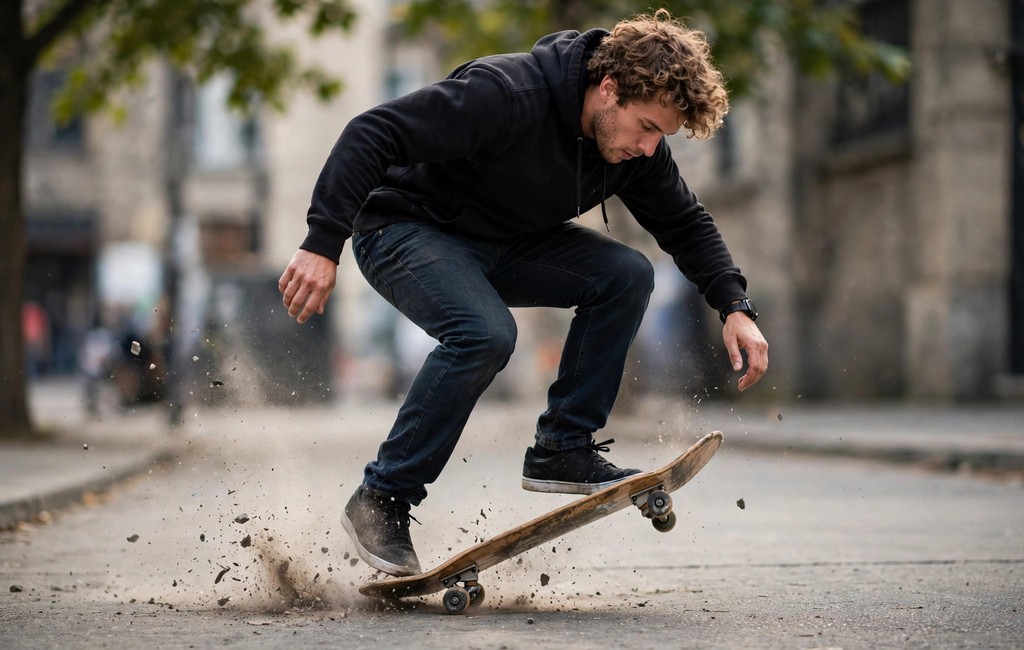
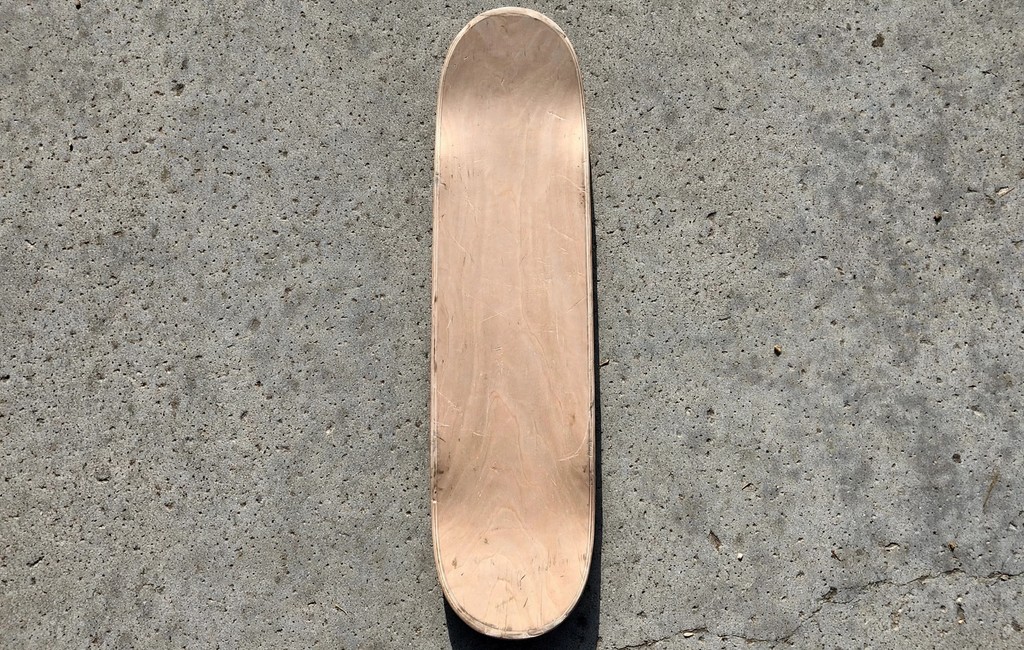
A skateboard deck contains several carefully designed sections. Each section contributes to balance, movement, and trick performance.
The main parts include:
- Nose
- Tail
- Deck
- Trucks
- Wheels
- Bearings
- Grip tape
Although the nose and tail appear nearly identical, manufacturers shape them differently. Learning how to match skateboard parts helps you build a balanced setup. Therefore, experienced skaters can immediately identify each end.
What Is The Nose Of A Skateboard?
The nose is the front end of the skateboard. It points forward during normal riding and helps guide movement.
Most modern skateboard noses are slightly longer than tails. Furthermore, they often feature a steeper angle that improves certain technical tricks.
Key Characteristics Of The Nose
Common nose features include:
- Slightly longer length
- Larger surface area
- Steeper kick angle
- Better front foot control
Because of these characteristics, the nose offers greater stability during specific aerial maneuvers. Consequently, many advanced skaters rely heavily on proper nose positioning.
What Is The Tail Of A Skateboard?
The tail sits at the rear of the skateboard. It plays a major role in generating pop and lifting the board.
Manufacturers design tails to withstand repeated impact. As a result, the tail often experiences faster wear than any other deck section.
Key Characteristics Of The Tail
Typical tail features include:
- Shorter overall length
- More compact shape
- Strong pop response
- Faster wear patterns
Since most flip tricks begin with a tail pop, its design directly influences performance. Therefore, skateboard companies pay close attention to tail geometry.
The Main Differences Between The Nose And Tail
At first glance, both ends seem identical. Nevertheless, several important distinctions separate them.
Shape Difference
The nose generally extends farther from the front truck. Meanwhile, the tail remains slightly shorter.
This difference creates a balanced riding experience. Additionally, it helps skaters control board rotation more effectively.
Kick Angle Difference
Most noses feature a steeper kick angle. In contrast, tails usually maintain a slightly lower profile.
The steeper nose assists with technical maneuvers. Therefore, riders gain better leverage during advanced tricks.
Functional Difference
The nose primarily aids control and maneuverability. Meanwhile, the tail focuses on generating pop.
Each end performs a specialized role. Consequently, riding the board backward can affect trick consistency.
Wear Difference
Tail wear occurs much faster because riders constantly pop tricks. On the other hand, the nose often remains in better condition longer.
Observing wear patterns provides a simple identification method. Therefore, older decks reveal their orientation clearly.
Why The Tail Creates Pop
Pop is the explosive motion that launches a skateboard into the air. The tail serves as the primary source of this movement.
When a rider slams the tail against the ground, stored energy transfers through the deck. As a result, the board rises rapidly.
A well designed tail produces cleaner responses. Therefore, trick timing becomes easier to manage.
Factors Affecting Tail Pop
Several elements influence pop quality:
- Deck construction
- Wood quality
- Tail shape
- Rider technique
- Board age
Even the best tail design cannot replace proper technique. Nevertheless, quality construction enhances overall performance.
Why The Nose Matters During Tricks
Many beginners focus exclusively on the tail. However, the nose contributes significantly to board control.
The front foot often interacts with the nose during flip tricks. Consequently, nose shape affects rotation speed and consistency.
A properly shaped nose also improves catch control. Therefore, riders land tricks more reliably.
Tricks That Depend On The Nose
Several common tricks rely heavily on nose performance:
- Kickflips
- Heelflips
- Varial flips
- Hardflips
- Frontside flips
During these tricks, precise nose design helps maintain predictable board movement. Beginners can start with easy skateboarding tricks that build on these basics.
How To Tell Which End Is The Nose
Many new skateboard decks display graphics that make identification simple. However, graphics eventually wear away.
Fortunately, several methods work consistently.
Measure The Length
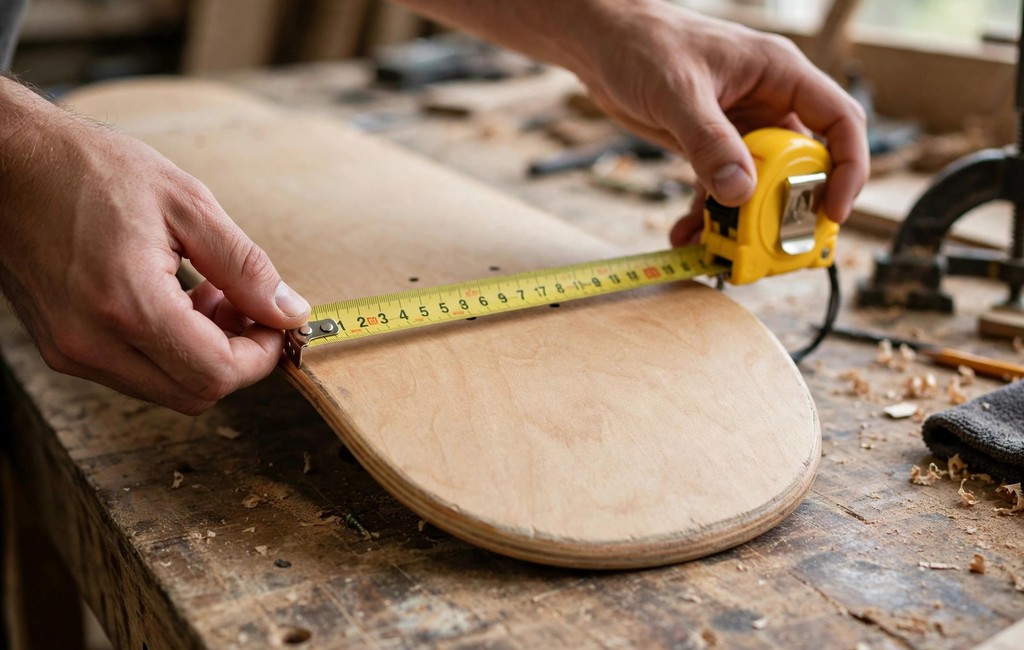
The nose is usually slightly longer. Therefore, measuring from the truck holes provides a reliable clue.
Even small differences reveal the correct orientation. Consequently, this method works well for most modern decks.
Examine The Shape
Many noses appear slightly wider. Additionally, their curves often look more pronounced.
Comparing both ends carefully reveals subtle distinctions. Therefore, visual inspection remains useful.
Check Wear Patterns
Heavy scraping generally appears on the tail. Meanwhile, the nose often shows less damage.
This method becomes especially effective on older boards. Consequently, experienced skaters frequently use it.
Can You Ride A Skateboard Backward?
Yes, you can ride a skateboard backward without immediate problems. However, performance may feel different during tricks.
The board still rolls normally. Nevertheless, trick execution often becomes less predictable.
Some symmetrical decks minimize these differences. Therefore, certain riders intentionally skate both directions.
Situations Where Reverse Riding Happens
Reverse riding commonly occurs when:
- Learning tricks
- Testing setups
- Riding symmetrical decks
- Practicing switch skating
While casual cruising remains unaffected, technical skating often benefits from proper orientation.
Symmetrical Versus Asymmetrical Skateboards
Not all skateboard decks follow the same design philosophy. Some companies create nearly symmetrical shapes.
Symmetrical decks make orientation less important. Consequently, riders enjoy greater flexibility.
Asymmetrical decks emphasize specialized performance. Therefore, each end serves a distinct purpose.
Advantages Of Symmetrical Decks
Benefits include:
- Easier switch skating
- Consistent feel
- Simplified setup
- Reduced orientation concerns
Many freestyle riders appreciate these characteristics. Therefore, symmetrical designs remain popular in certain disciplines.
Common Beginner Mistakes
New skaters frequently overlook deck orientation. As a result, they sometimes struggle with trick consistency.
Fortunately, these mistakes are easy to avoid.
Common errors include:
- Riding the board backward
- Ignoring wear patterns
- Misidentifying the nose
- Replacing decks incorrectly
- Assuming both ends match perfectly
Learning deck anatomy early prevents unnecessary frustration. Consequently, progression becomes smoother.
How Professionals Use Nose And Tail Design
Professional skateboarders pay close attention to board shape. Small differences can influence performance dramatically.
Many pros select specific deck dimensions for personal preferences. Furthermore, they often test multiple shapes before choosing one.
Competition level skating demands consistency. Therefore, understanding nose and tail characteristics becomes essential.
Choosing The Right Skateboard Shape
Selecting the right deck depends on riding style. The right grip matters too. See how to choose the best skateboard grip tape. Different disciplines prioritize different characteristics.
Street skaters often prefer responsive tails and versatile noses. Meanwhile, transition riders may seek additional stability.
Consider these factors:
- Riding style
- Skill level
- Deck width
- Shape preference
- Trick goals
Testing various setups helps identify personal preferences. If you are starting out, learn how to choose complete skateboards for your style. Consequently, riders develop more confidence over time.
Conclusion
The nose and tail of a skateboard differ in shape, length, angle, and function. The nose supports control and technical movement, while the tail generates the pop required for tricks.
Understanding these differences helps riders improve consistency and board awareness. Take a close look at your skateboard today and identify the nose and tail correctly before your next session.
FAQs
Is the nose longer than the tail on most skateboards?
Yes, the nose is usually slightly longer than the tail.
Can beginners tell the difference easily?
Yes, measuring length and checking wear patterns usually reveals the difference.
Does riding backward damage the skateboard?
No, but trick performance may feel less consistent.
Why does the tail wear out faster?
The tail repeatedly strikes the ground during trick execution.
Are all skateboard decks asymmetrical?
No, some decks use symmetrical designs with nearly identical ends.